

Por Lorena Mendoza y Guisela Loayza
A delegation from the Achuar Nationality recently traveled from the Datem del Marañón province in Loreto to Lima to demand concrete action in response to the severe health impacts faced by riverine communities in the Alto Pastaza region, worsened by an oil spill that occurred on October 3, 2024. The spill took place at Kilometer 12 of the Northern Branch of the Norperuvian Pipeline (located in the underground riverbed of the Pastaza River) and was caused by a rupture during pipeline segment replacement work carried out by a contractor hired by PETROPERÚ. Although OEFA (the Peruvian environmental enforcement agency) stated that PETROPERÚ had completed the cleanup and remediation, there are clear indications to the contrary.
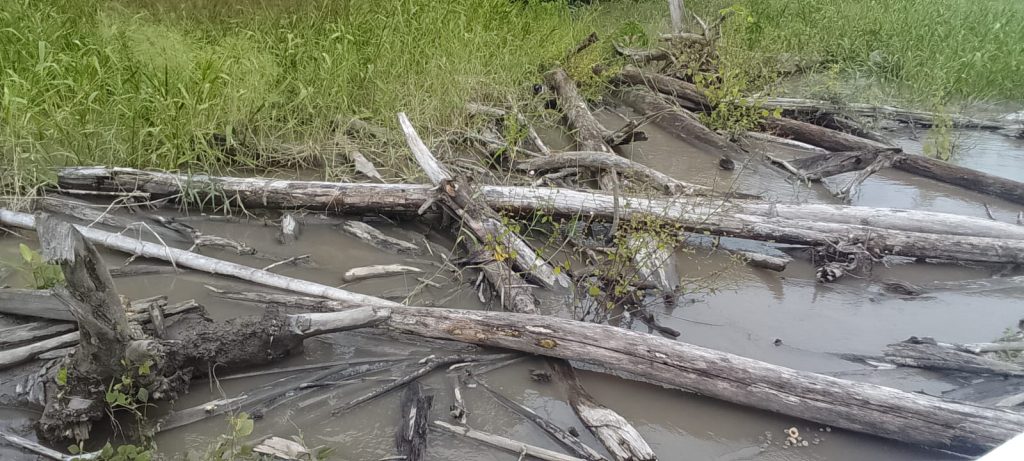
During their visits to state entities in Lima in May and June 2025, representatives of the Achuar Nationality Federation of Peru (FENAP) and the Indigenous Achuar Federation of Alto Pastaza (FIAAP) reported that in several communities near the Pastaza River—particularly in areas like Siwín and Huagramona—visible oil residues remain in farming plots where food is grown and in the cochas (oxbow lakes) where fish are caught and water is collected for household consumption. The main concern lies in the cumulative effects on human health, especially that of children who continue to be exposed to these contaminants.
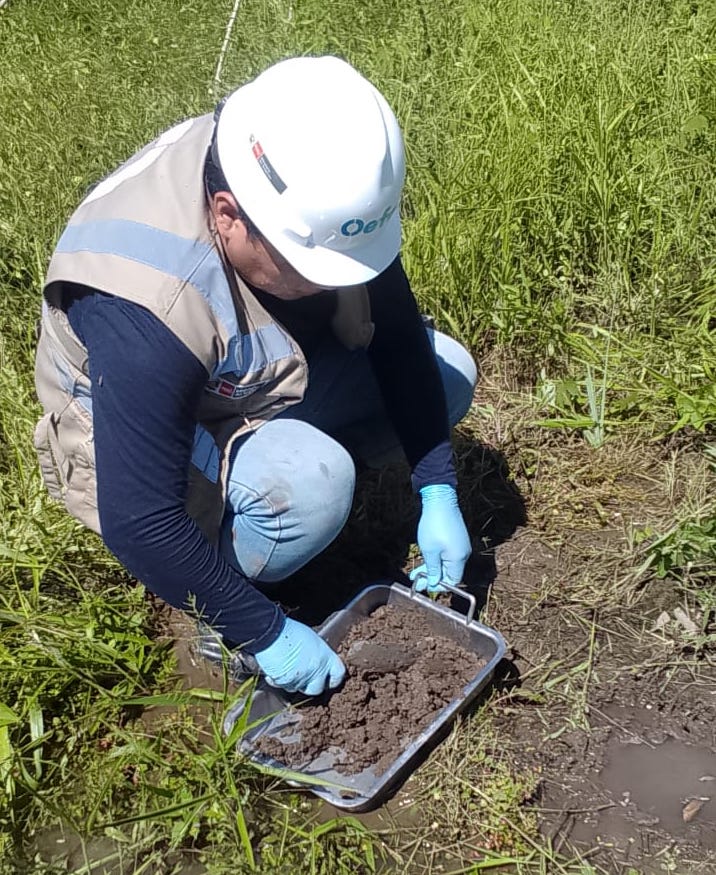
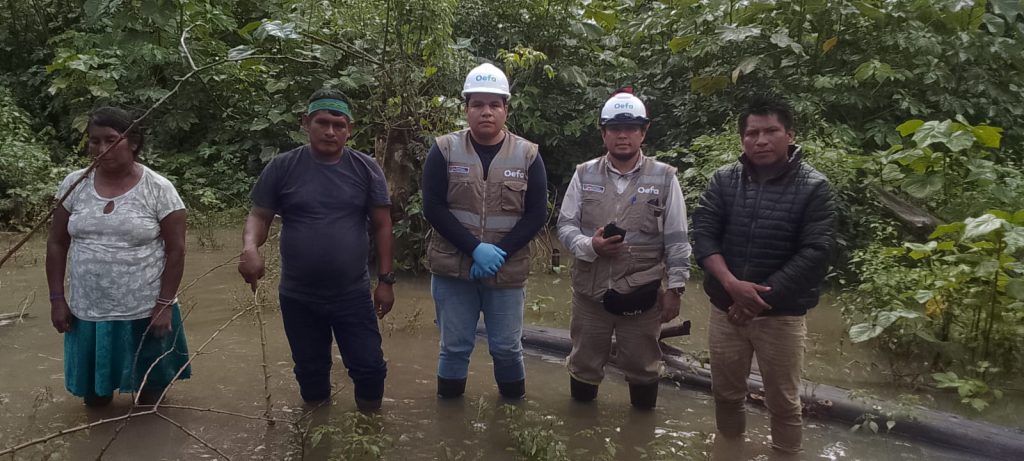
In response to this situation, FIAAP, with support from the Sacred Headwaters Alliance, filed a new environmental complaint before OEFA on May 19, requesting a verification of the affected areas and an updated assessment of contamination. As a result, from June 19 to 20, an OEFA technical team entered Achuar territory to collect new samples from sediments and water bodies in the Siwín cocha and the native community of Huagramona. These tests aim to determine the levels of hydrocarbons and other pollutants present in the water. It is important to note that PETROPERÚ’s cleanup efforts—being the company responsible for the spill—were both delayed and incomplete, and failed to take into account the seasonal rains. Since the spill in October 2024, there have been four major river floods. This is a critical factor, as flooding causes the Pastaza River to rise and connect with lakes and agricultural zones, spreading the spilled hydrocarbons to areas essential for the food security and survival of the Achuar communities.
The communities are now awaiting the results of this new OEFA inspection, hoping to be informed of the findings and for the persistent impacts to be officially recognized. What is at stake is not only water and soil quality, but the health and continued survival of these communities—for both present and future generations.
Additional data:
- Since the spill on October 3th, 2024, which was caused by PETROPERÚ’s pipeline work, 12 people have died (7 of them infants or children, and 5 adults, some showing symptoms such as bloated stomachs and abdominal pain) from unknown causes. The State has yet to take any action to investigate these deaths or stop further loss of life.
- Due to advocacy by FENAP and FIAAP, there is now a commitment to carry out oral autopsies through interviews with the families of the deceased to determine causes of death. This investigation could have begun during the visit of a health brigade from the Datem del Marañón Health Network between June 18 and 28, which did provide general medical care—but did not include an epidemiologist. To date, the State has not clarified why 12 people have died.
- Additionally, between March and April 2025, FIAAP carried out a health census in 8 Alto Pastaza communities, using photographs to document individuals with suspected contamination-related symptoms. The census identified 71 affected individuals, 50 of whom (70.5%) are children or adolescents.
- The health crisis is further aggravated by the fact that the only source of water for these communities is the Pastaza River and its connected lakes, which were contaminated shortly after the spill. While there are three proposed water access projects, discussions with the Ministry of Housing and Sanitation reveal little progress on implementing them.
- Meanwhile, the Regional Government of Loreto has received a transfer of more than 2 million soles, according to the Ministerial Resolution 080-2025-MINSA (dated February 5, 2025), which approved the “Comprehensive health plan and strengthening of health services with an intercultural approach for Indigenous, Native, and Afro-Peruvian peoples in 2025.” This budget is meant to cover hiring of medical brigades, travel expenses, fuel, transportation, etc. However, the Datem del Marañón Health Network—currently the region with the lowest budget execution and considered the epicenter of pertussis outbreaks in the Peruvian Amazon—has shown the least progress.
Photos: Indigenous Federation of the Upper Pastaza (FIAPP)