
Por Karla Maass Wolfenson, Coordinadora Agenda Incidencia Global ACSA
At a time marked by the climate crisis, the accelerated loss of biodiversity, and the rise in socio-environmental conflicts, the Escazú Agreement stands as one of the most important instruments for environmental governance in Latin America and the Caribbean. Its upcoming Conference of the Parties (COP4) is not just another meeting, but a key moment to clarify the level of ambition of countries regarding the role of access rights and the effective protection of territories and those who defend them.
The Escazú Agreement is the first treaty in the world to link access rights (information, participation, and justice) with the explicit protection of environmental defenders, recognizing that there can be no environmental governance without guarantees for those who uphold that defense. This connection is especially significant in a region where violence against those who defend land and ecosystems is systemic and well documented. According to Global Witness reports, Latin America is the most dangerous region in the world for environmental defenders. This violence is not random; it is concentrated in territories where extractive interests, high biodiversity, and the presence of Indigenous peoples and local communities converge.
In this context, Article 9 of the Escazú Agreement establishes clear obligations: States must ensure a safe and enabling environment, protect and promote the rights of environmental defenders, and prevent, investigate, and sanction attacks against them. This standard marks a turning point in international environmental law by recognizing that environmental defense is inseparable from human rights.

An action plan that requires determination to move forward
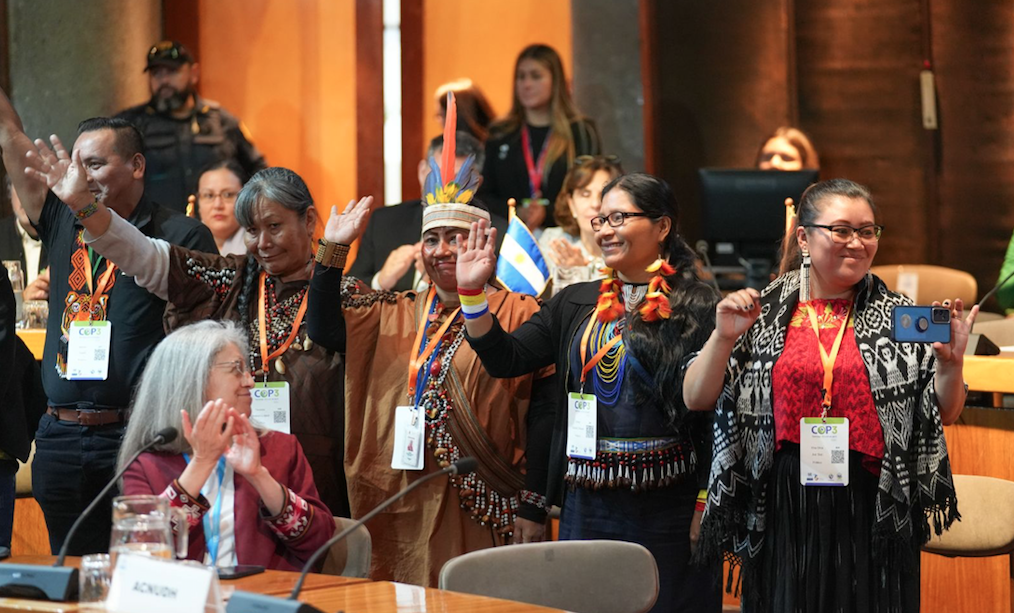
At COP3, the States Parties adopted the first regional Action Plan for the implementation of Article 9. This instrument, with a horizon to 2030, constitutes an unprecedented roadmap to address the situation of environmental defenders globally and in the region. Its rapid adoption, after two years of work, reflects both the political urgency of the issue and the sustained pressure from civil society and Indigenous peoples.
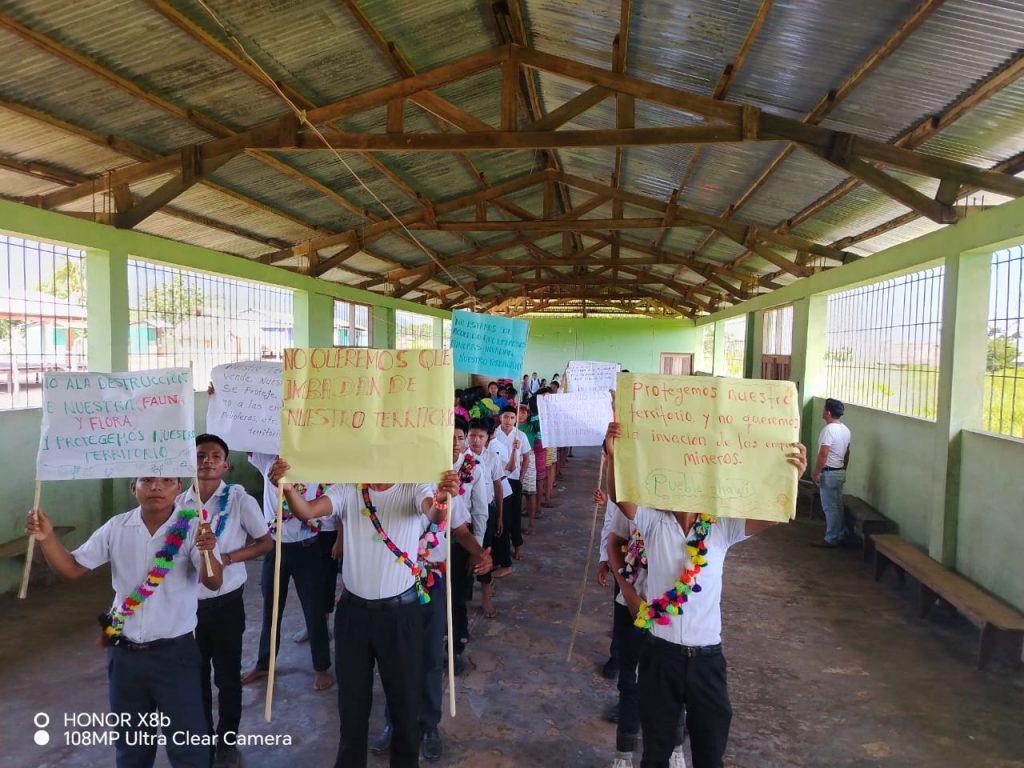
However, the real challenge lies in implementation, and COP4 will be essential to assess progress—particularly regarding the advancement of a regional diagnosis that will allow for a more precise understanding of where, how, and why violence against environmental defenders occurs, and therefore what mitigation and reparation measures are needed. This is where the discussion around the Escazú Agreement becomes strategic. It is not only about protecting individuals, but also about protecting the territories where the region’s environmental future is at stake. Recognizing this territorial dimension is essential to ensure that the regional diagnosis under discussion at COP4 is not merely descriptive, but rather a tool to guide prevention policies, identify critical areas, and prioritize collective protection measures. This territorial dimension is especially evident in the Amazon and requires Amazonian countries to ratify the Agreement in order to strengthen regional capacity to respond to pressures on ecosystems and the risks faced by communities.
Environmental justice: an opportunity to move toward prevention
One of the key debates at COP4 is the strengthening of the pillar of access to justice (Article 8). This pillar aims to establish guarantees for access to judicial and administrative instances, as well as to effective remedies—that is, mechanisms that allow people to claim and demand rights, challenge decisions, and obtain timely responses to environmental harm or threats.
Within the framework of COP4, progress is expected in discussions on how to operationalize this pillar in practice. This raises key questions about the most appropriate mechanisms for its implementation: whether there is a need to create specific working spaces, as was done in the process regarding environmental defenders, or whether more comprehensive and innovative approaches should be explored, consistent with the Escazú Agreement and its principles of maximum participation and inclusion in decision-making.
In this context, environmental justice in Latin America must move toward an approach with greater preventive capacity. This shift aligns with more recent developments in environmental law, which recognize the need to anticipate harm before it occurs. This creates an opportunity for countries to strengthen mechanisms that enable early action, including the ability to challenge decisions, demand information, activate institutional processes, and halt high-impact interventions. In this sense, strengthening access to justice is not only a matter of reparation, but also of anticipation and risk management.
A convergent strategy: establishing zones of life
Within the framework of COP4, countries will present their national action plans or roadmaps for implementing the Escazú Agreement. It is precisely in this space that the establishment of zones of life as a priority strategy presents a key opportunity to advance a more effective, territorialized implementation aligned with the region’s challenges and to guarantee access rights.
Incorporating this approach into national roadmaps can significantly strengthen the protection of environmental defenders by focusing efforts on the highest-risk territories, guiding public action toward more comprehensive prevention, protection, and territorial management measures, and advancing global commitments on climate and biodiversity.
In the context of COP4, this represents a concrete opportunity for States to move from commitment to action by integrating territorial approaches that connect environmental governance, the protection of rights, and a just transition. Including zones of life as part of implementation strategies would not only strengthen the scope of the Agreement, but also enable more effective responses to the complexity of the crises facing the region.