
By Karla Maass and Bryan Ludeña
As the world gathers to negotiate the future of the climate, Amazonian Indigenous Peoples face a reality marked by the expansion of extractive industries, the declining resilience of ecosystems, and the impacts of a climate crisis that is transforming their territories and ways of life.
A Global Crisis with Profoundly Unequal Consequences
From November 9 to 20, Antalya, Türkiye, hosts the 31st Conference of the Parties to the United Nations Framework Convention on Climate Change (COP31), against a backdrop of growing fragility in the multilateral system, declining climate finance, and an intensifying global climate crisis.
Increasingly severe heatwaves, prolonged droughts, floods, and disruptions to rainfall patterns are among the most visible manifestations of climate change. However, their impacts are not evenly distributed. They affect communities and territories differently depending on their environmental, social, and economic circumstances, deepening existing inequalities.
For Indigenous Peoples, these transformations are particularly severe because they disrupt the ecological conditions that sustain their livelihoods and ways of life. Changes in natural cycles, the availability of water and food, and ecosystem degradation place growing pressure on their ways of life, cultural practices, and relationships with their territories.
This inequality exposes one of the deepest contradictions of the climate crisis: those who have contributed the least to causing it are among those facing its most devastating consequences.
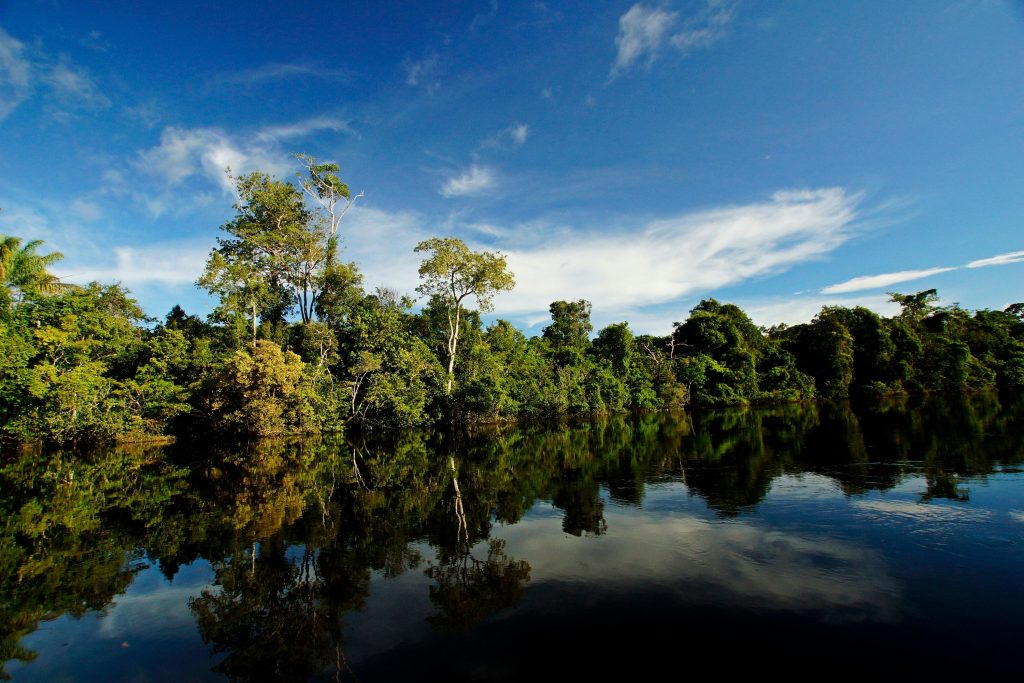
Photo: Christopher Borges
The Amazon: The Planet's Biological Heart Under Threat
The Amazon plays a fundamental role in regional and global climate stability. Its forests and soils store vast amounts of carbon and help regulate water cycles and rainfall patterns across much of South America and beyond. These functions, essential to climate balance, are closely linked to its extraordinary biodiversity, among the richest on Earth.
Yet the Amazon's contributions to planetary sustainability and human well-being are increasingly under threat. Land-use changes driven, among other factors, by the expansion of fossil fuel extraction, mining, and fires, combined with shifts in established precipitation and temperature patterns, are degrading Amazonian ecosystems and weakening their capacity to regenerate. The risks extend far beyond the loss of forests and species. The progressive degradation of the Amazon could undermine its ability to regulate the global climate and sustain ecological processes essential to climate stability, both regionally and worldwide.
Climate Negotiations: An Outstanding Debt to Territories
Every Conference of the Parties (COP) to the UNFCCC represents an opportunity to reach agreements that advance the necessary socio-ecological transition the world urgently needs. Each conference also provides a platform for building connections and strengthening international cooperation to address an emergency that no country can resolve alone.
Likewise, with each conference, it becomes increasingly evident that sustainable climate solutions cannot be achieved while pressures that degrade ecosystems intensify and fossil fuel expansion continues.
In this context, COP31 must deliver concrete, effective results that translate into action on the ground. Without them, it risks becoming yet another large-scale gathering that merely marks time amid devastating climate events.
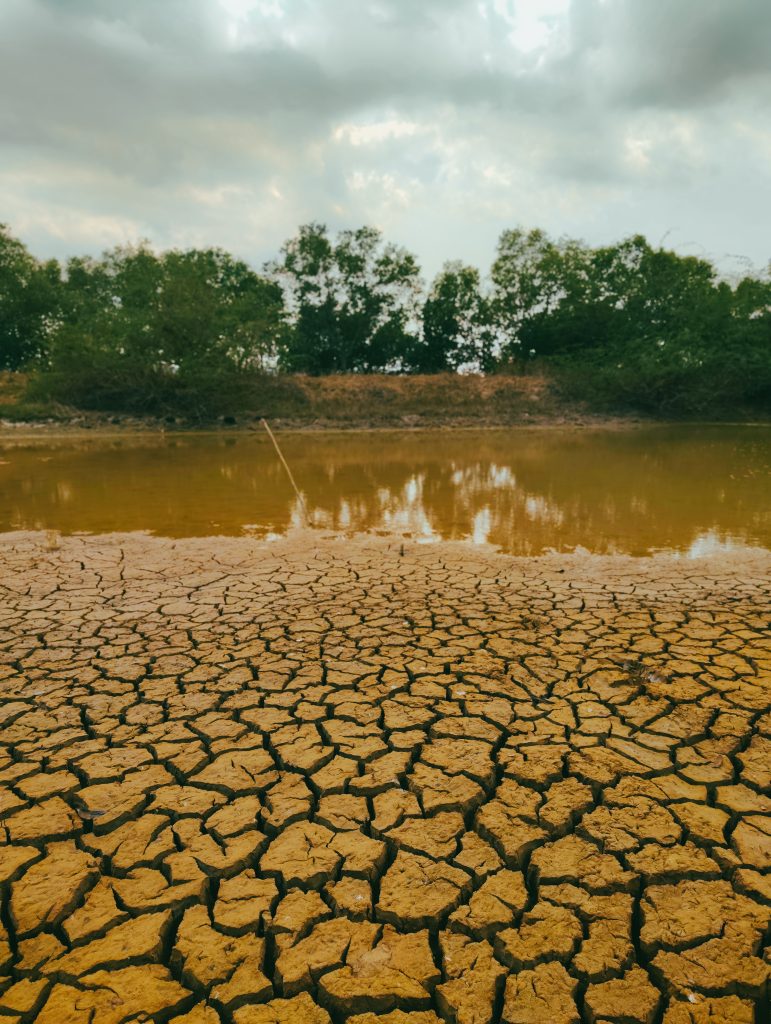
Photo: Circuit Occidental
Climate Finance: A Structural Barrier
Since the adoption of the Paris Agreement, countries have committed to making financial flows consistent with a pathway toward low greenhouse gas emissions and climate-resilient development (Article 2.1(c)). However, this objective remains far from being achieved. Public investment priorities and international capital flows continue to favor extractive activities and fossil fuel expansion, while territorial protection initiatives and economies that sustain life face significant financing constraints.
This contradiction is particularly evident in the Amazon, where Indigenous Peoples play a fundamental role in protecting ecosystems but continue to face barriers to accessing climate finance directly. At COP31, the new Climate Finance Work Programme must include identifying these barriers and seeking solutions within its scope, promoting direct access mechanisms that recognize Indigenous Peoples' governance systems, priorities, and autonomy. Increasing financing is not enough: the conditions under which resources are distributed must be transformed, ensuring that funding effectively reaches the territories.
Transitioning Away from Fossil Fuels: Protecting Zones of Life
At COP28 in Dubai, countries agreed to transition away from fossil fuels in a just, orderly, and equitable manner. However, the continued expansion of fossil fuel activities threatens Amazonian Indigenous territories, putting ecosystem integrity, collective rights, and the cultural continuity of the peoples who inhabit them at risk.
At COP31, the roadmap promoted by the Brazilian COP30 Presidency and the international process initiated in Santa Marta offer an opportunity to place the transition away from fossil fuels at the center of the climate agenda. It is essential to build on these efforts and promote concrete measures to implement the Dubai commitment, particularly by establishing areas free from fossil fuel exploration and extraction, conceived as Zones of Life. These zones can be advanced through the creation and strengthening of protected natural areas, the recognition and legal titling of Indigenous territories, and the incorporation of restrictions on extractive activities into land-use planning instruments. Such measures would help halt the expansion of oil frontiers while protecting ecosystems and the rights of Indigenous Peoples.
Adaptation
Amazonian Indigenous Peoples are not merely populations exposed to the impacts of climate change. Their knowledge systems, territorial management practices, and forms of self-organization make fundamental contributions to strengthening adaptation and resilience.
This recognition is already reflected in the UAE Framework for Global Climate Resilience, adopted at COP28, which incorporates Indigenous knowledge and worldviews, particularly in relation to ecosystem protection and cultural heritage.
At COP31, discussions on the Global Goal on Adaptation must translate this recognition into concrete measures. It is essential to strengthen the integration of Indigenous knowledge into national adaptation policies and plans, as well as into systems for monitoring and evaluating global progress. This requires indicators capable of reflecting Indigenous Peoples' contributions to climate resilience, territorial protection, and the continuity of their cultural and knowledge systems, while respecting their own ways of generating, safeguarding, and sharing information.
Just Transition
COP31 must make progress toward operationalizing the Just Transition Mechanism agreed upon in Belém during COP30. Its design presents an opportunity to promote economic and energy transformations that do not reproduce historical inequalities or intensify extractive pressures on Indigenous territories.
The mechanism must be built upon the principles recognized in Decision 2/CMA.7, particularly respect for and protection of the collective and individual rights of Indigenous Peoples, including self-determination and free, prior and informed consent (paragraph 12(i)). To put these principles into practice, it is essential to establish inclusive governance that guarantees the formal, effective, and permanent representation of Indigenous Peoples in both decision-making bodies and technical structures. Their participation must go beyond consultation processes and ensure meaningful influence over the definition of the mechanism's priorities, functions, and working modalities.
Hope Lies in the Territories That Sustain Life
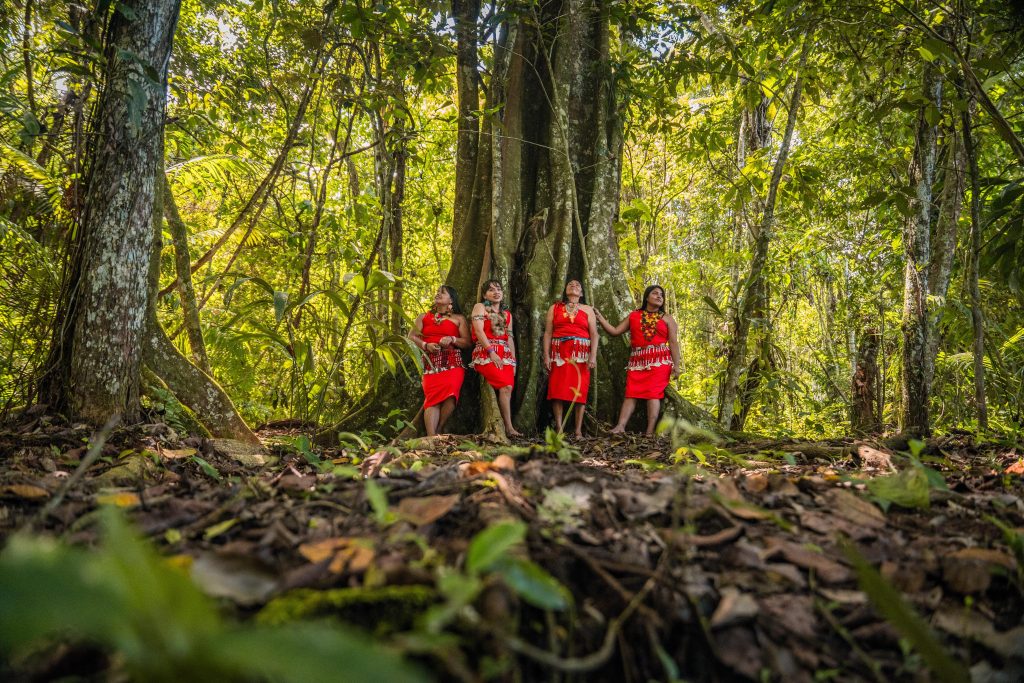
Fotografía: Bill Salazar
In the face of the magnitude of the climate crisis, the Amazon also represents an opportunity to build different responses.
Across its territories, Indigenous governance initiatives, community-led conservation, ecosystem restoration, and sustainable economies demonstrate that it is possible to generate well-being without destroying the natural foundations of life.
These experiences must no longer remain on the margins of climate policy. They require recognition, institutional support, and direct, accessible financing tailored to the priorities of Indigenous Peoples.
Strengthening Indigenous self-governance, securing territorial rights, and supporting economic initiatives compatible with conservation are investments in climate resilience, biodiversity, and collective well-being.
Our Amazon Sacred Headwaters Alliance advances this vision by bringing together Indigenous Peoples and nationalities, organizations, and allies committed to protecting the Amazon and building alternatives rooted in life.
COP31 must send a clear signal that climate solutions are also built within territories, and that governments and international cooperation have a responsibility to support them.