
By Lorena Mendoza Egúsquiza
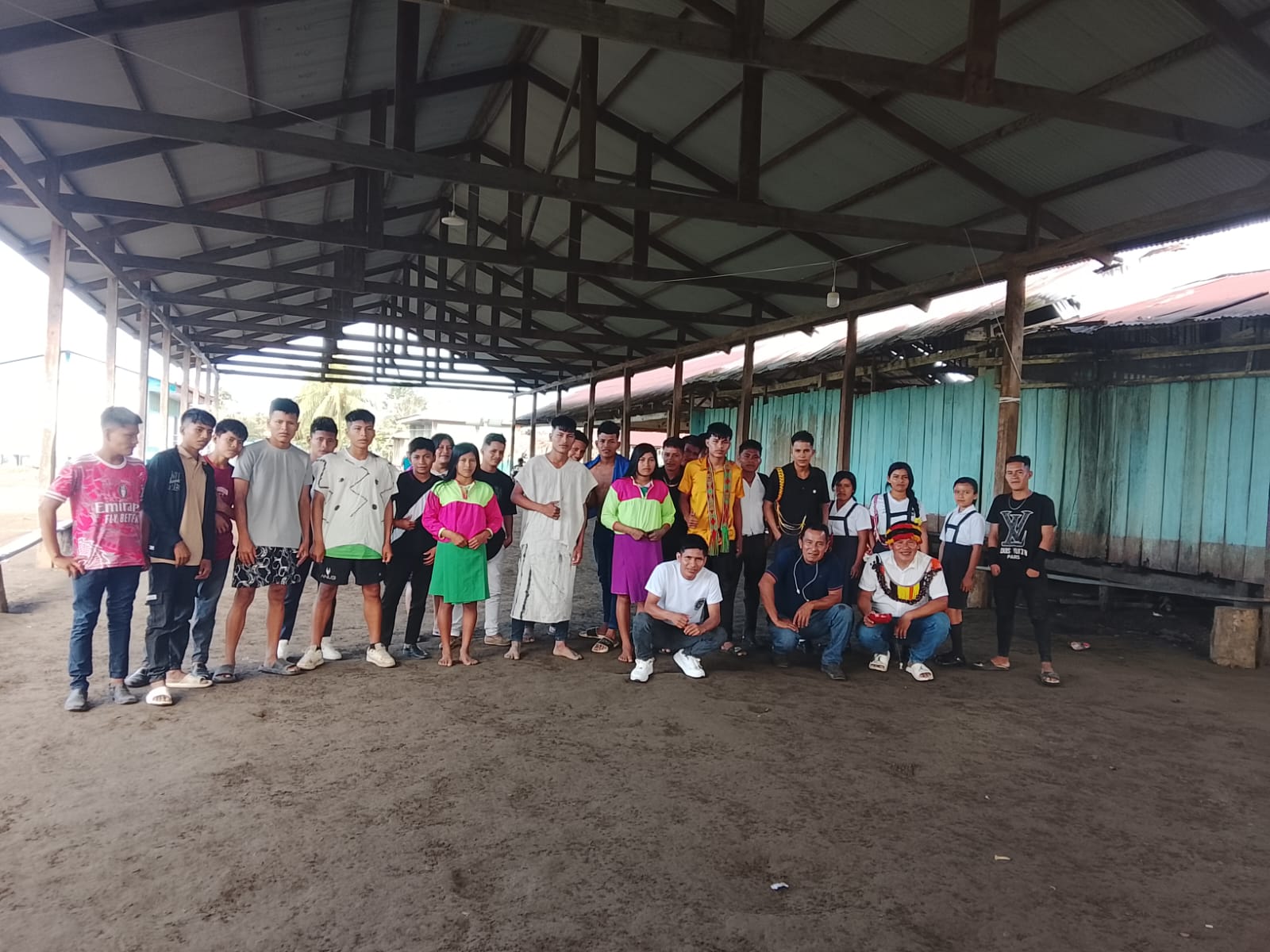
By the middle of the year, the absence of the students is already felt at the Living School of the Amazon (Escuela Viva de la Amazonía, EVA). At Unión Base in Puyo, Ecuador, the usual buzz of laughter and conversation has quieted as students have returned to their respective Indigenous organizations to begin the second module of their program: field internships in the Sciences and Knowledge of Indigenous Peoples and Nationalities.
All of the students are now beginning their internships, putting into practice the technical knowledge they gained in areas including project development, bioeconomy, community leadership, territorial governance, community communications, collective rights, financial education, and the worldviews of the Indigenous Peoples and Nationalities of Ecuador and Peru. Through this work, they are helping strengthen the autonomous processes of their own Indigenous organizations.
From Peru, Claudia Pérez, EVA's Academic Monitoring Analyst, shared her excitement about the students who returned with her. Representing the Asociación Interétnica de Desarrollo de la Selva Peruana (AIDESEP) member organizations and the Territorial Governments of Datem del Marañón and Alto Amazonas, the students have been actively engaged in the work of their organizations since their very first day back home.
Raquel Inuma Madruma, a Kichwa student participating in EVA on behalf of the Coordinator for the Development and Defense of Indigenous Peoples of the San Martín Region (CODEPISAM), reported that she has been supporting the establishment of her organization's new headquarters, helping set up office space to improve its daily operations and organizational management.
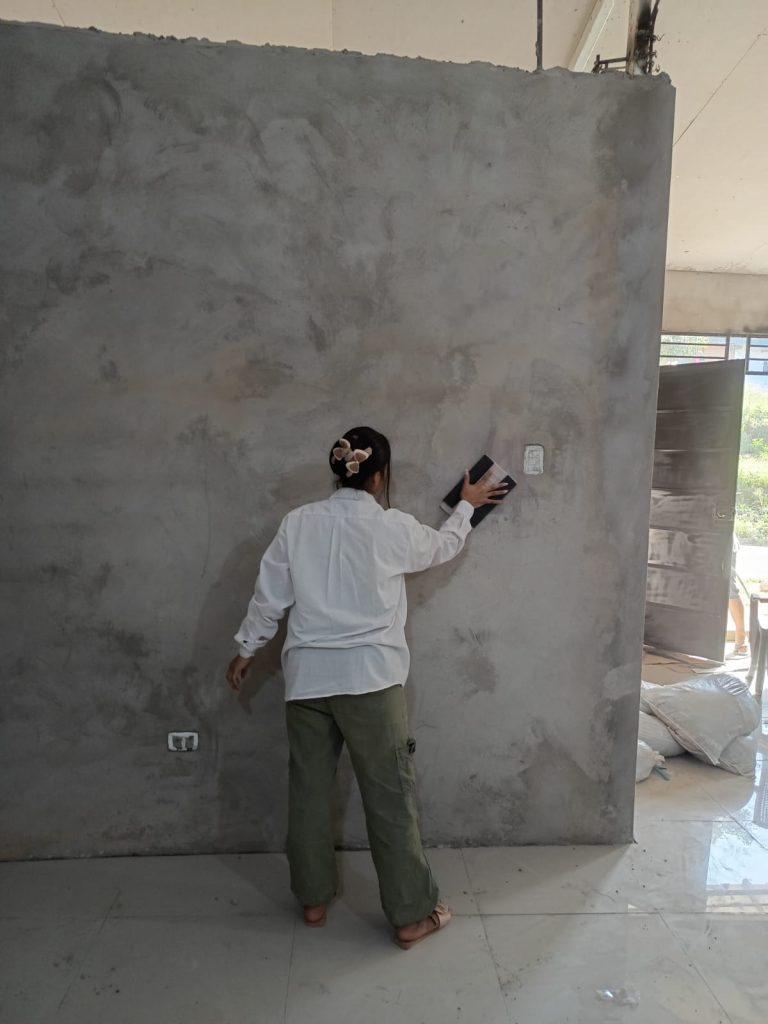
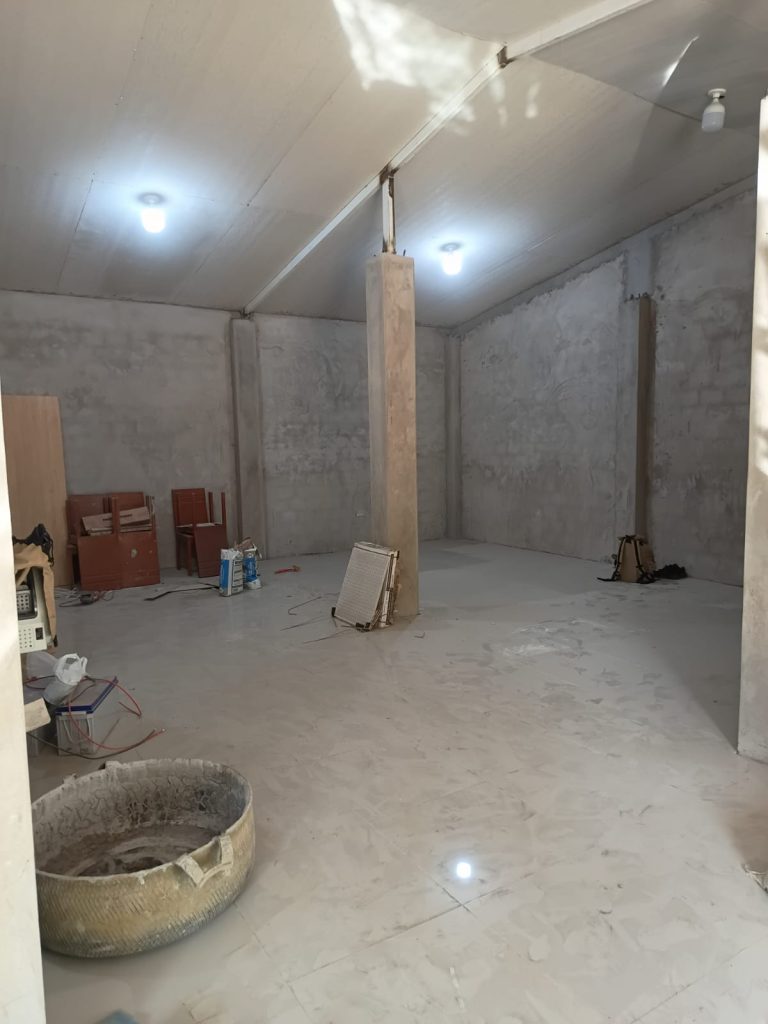
Meanwhile, in the Wampís Nation, students Deninson Sunka and Gide Cahuasa are supporting the territorial government's technical team with administrative and logistical work.
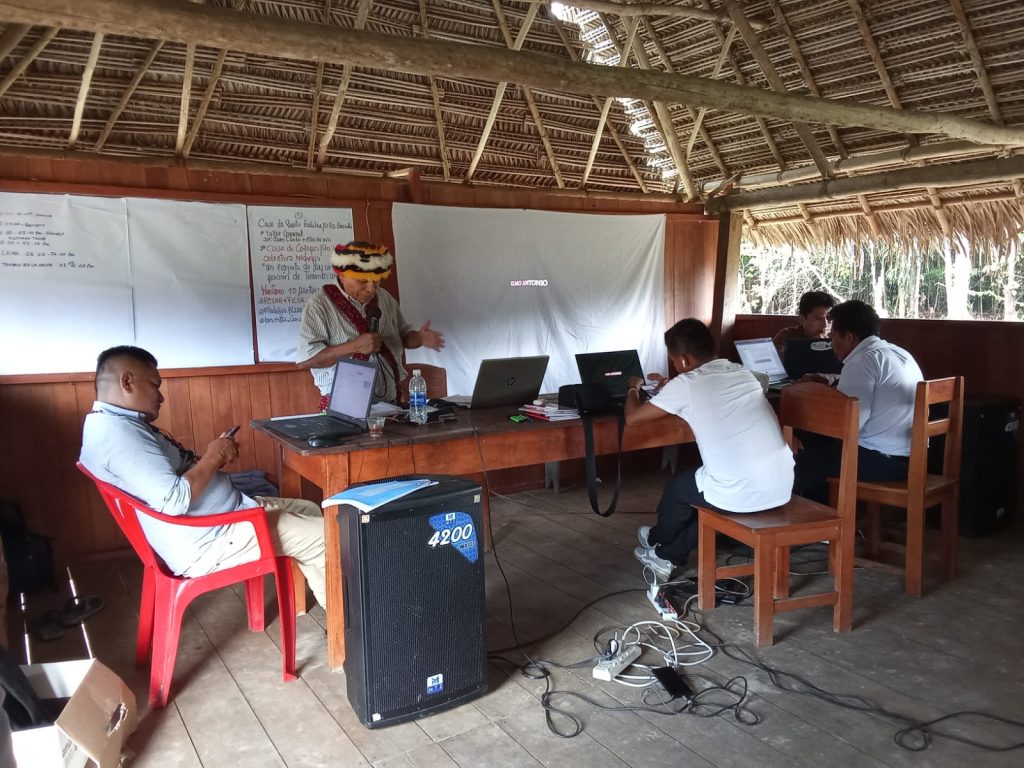
In the Kandozi Nation, student Luis Yandari presented at a community assembly to share his experience at EVA and explain the next steps of his work in support of the Kandozi Autonomous Government.
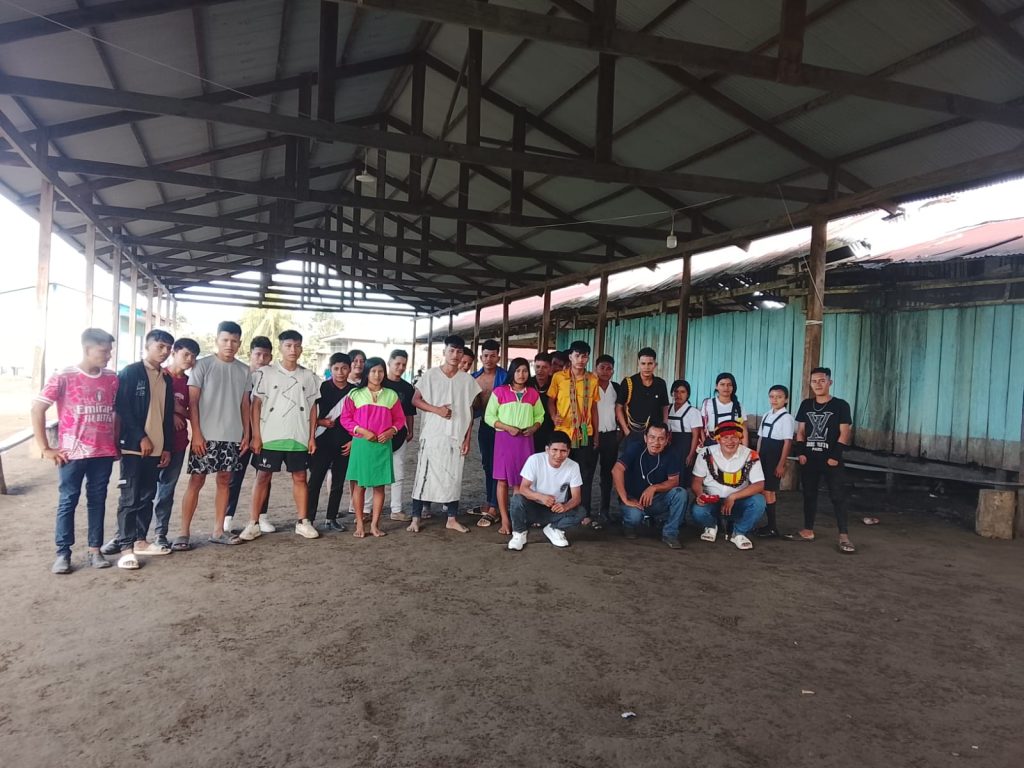
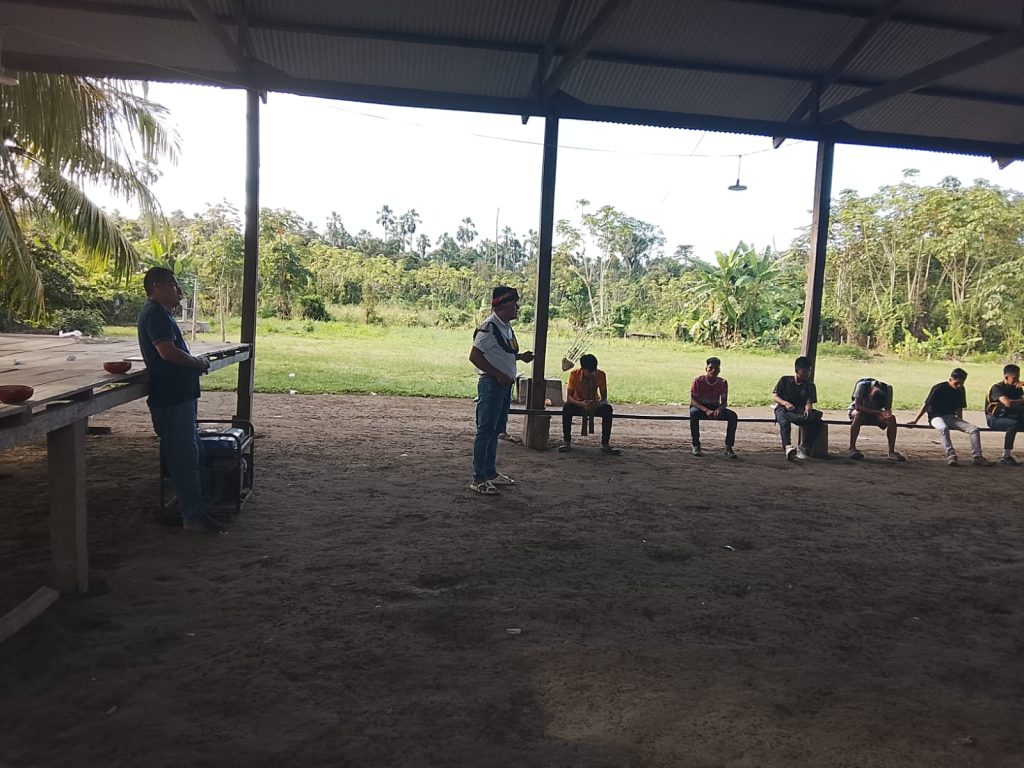
In Ecuador, all students have likewise returned to their internships within the Indigenous organizations of the country's eleven Amazonian nationalities: Kichwa, Shuar, Achuar, Sápara, Cofán, Siona, Secoya, Shiwiar, Quijos, Andwa, and Waorani.
We will continue sharing updates on the work of EVA students throughout the Amazon Sacred Headwaters Bioregion as their internships progress.
Photos: ASHA