
Lima, Perú.– A delegation from the Indigenous Achuar Federation of the Upper Pastaza (FIAAP), part of the Achuar Nationality Federation of Peru (FENAP), held a series of meetings with state institutions to raise the alarm about the presence of fish containing petroleum residues in their bodies in the Pastaza River basin, in the district of Andoas, Datem del Marañón province, Loreto.
In October 2024, an oil spill at kilometer 11 of the Northern Branch of the Norperuvian Pipeline changed the lives of the Achuar communities of the Upper Pastaza River. A Petroperú contractor was conducting pressurization exercises in the area, which caused the pipeline to rupture. At that location, the pipeline lies on the riverbed of the Pastaza River, causing the spilled crude oil to spread rapidly into their main water source that sustains life and provides food for the communities.
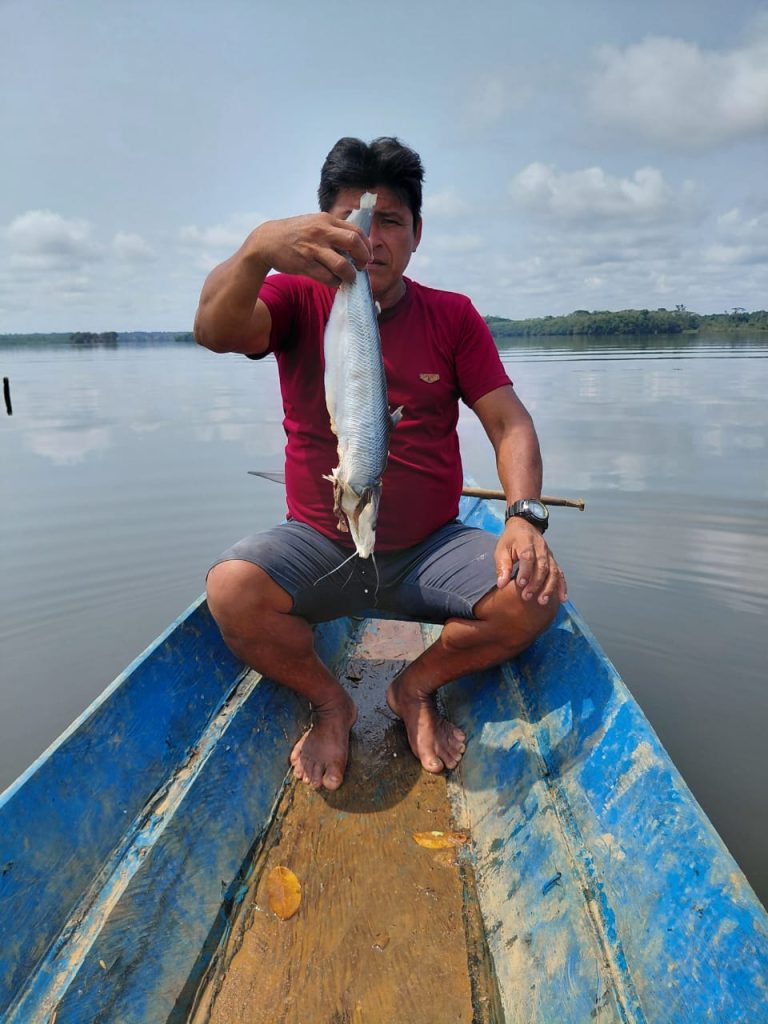
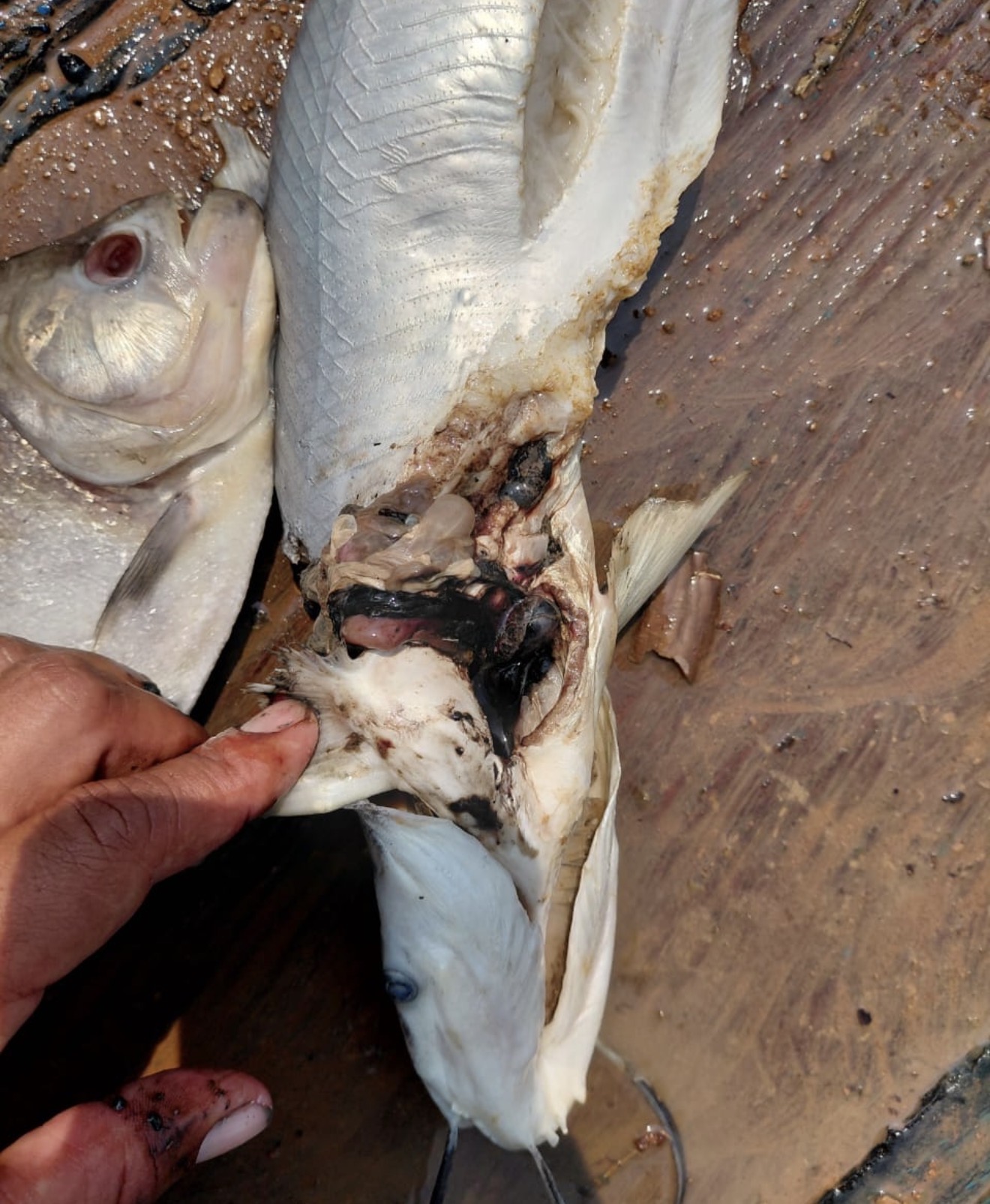
During meetings with representatives of the Environmental Evaluation and Enforcement Agency (OEFA), Petroperú, and the Ministry of Energy and Mines (MINEM), the Achuar delegation expressed concern over the ongoing contamination of water sources and shared a video showing fish with black stains inside their bodies. Their main complaint is the inadequate remediation carried out after the spill caused by Petroperú.
According to various surface water monitoring efforts, the National Water Authority (ANA) in the Upper Pastaza reports levels of heavy metals exceeding water quality standards (ECA Water) and the presence of total hydrocarbons at maximum levels, posing a danger to the people in the communities who consume the water. However, OEFA representatives indicated that in their monitoring conducted in July 2025 they did not observe the presence of hydrocarbons in the water. They also noted that Peru does not have environmental quality standards (ECA) for sediments, so international regulations are used instead.
Representatives of the Upper Pastaza Achuar reiterated that their communities have a network of lagoons that connect to the Pastaza River during the rainy season, and therefore requested a joint intervention by OEFA, ANA, and SANIPES, whose visit may only take place in one or two months.
For its part, a Petroperú representative stated that the presence of heavy metals such as lead and chromium identified in ANA monitoring in the Pastaza River would not be linked to hydrocarbons. This statement was questioned by Indigenous representatives, who demanded access to the technical information supporting these conclusions.
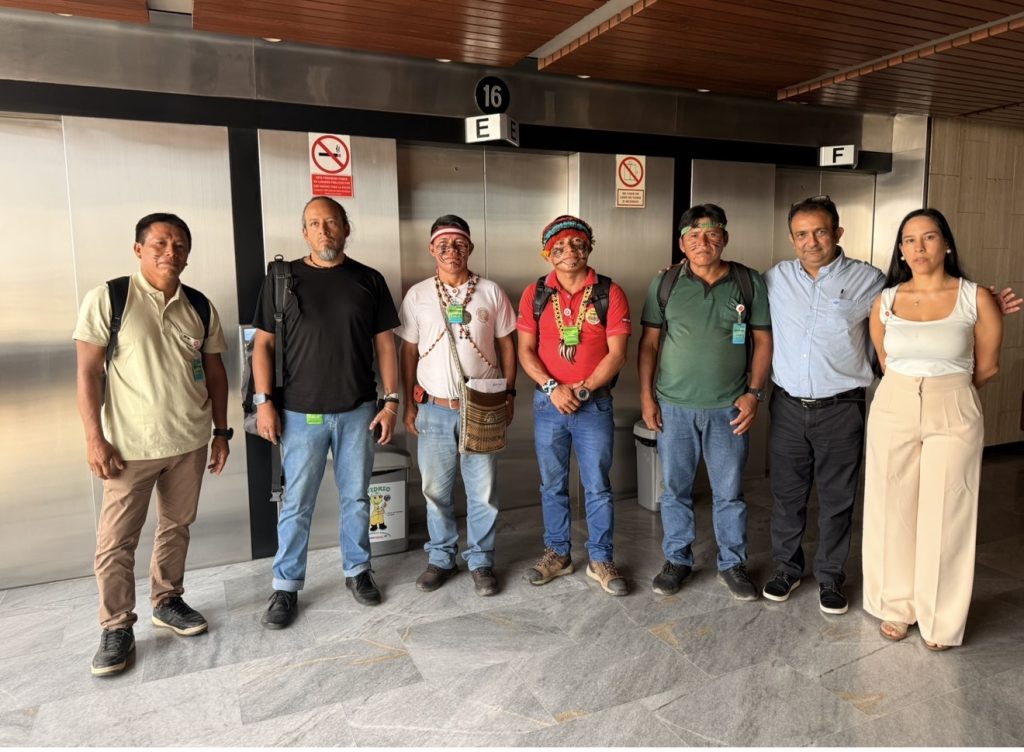
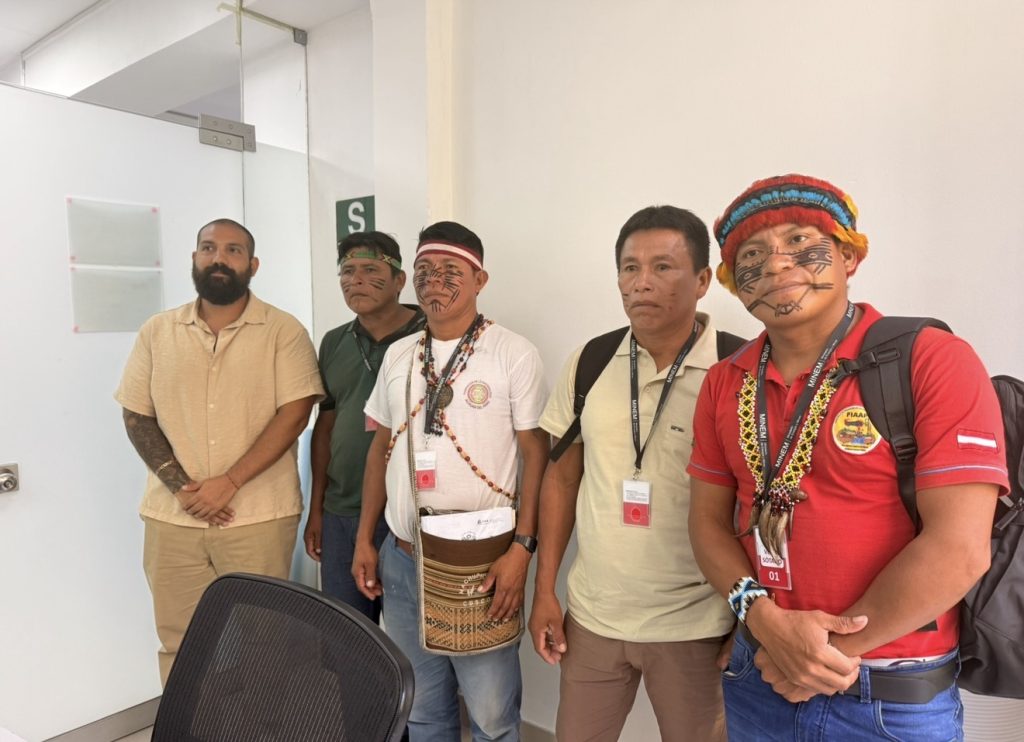
Likewise, during the meeting with Petroperú, it was reiterated that consuming water from the river is not safe, transferring responsibility for providing safe drinking water to the Ministry of Housing, Construction and Sanitation. This position was criticized by the Achuar delegation for failing to consider the real conditions of access to safe water and the communities’ direct dependence on their natural sources.
In the area of health, and regarding the deaths of minors that occurred in 2025, authorities recalled that the Regional Health Management Office (GERESA) reported that the deaths recorded in the area were due to endemic diseases, which forms part of the basis for concluding the environmental emergency declaration in the area.
“If there is no contamination, why do we continue to find affected fish and sick people?” questioned Jacob Espinar, President of FIAAP, who reiterated the urgency of establishing a multisectoral task force to address the situation comprehensively. To date, this request has not been addressed.
Among their main demands, the delegation calls for testing to assess the presence of heavy metals in the population, access to environmental monitoring results, and the implementation of monitoring mechanisms with community participation. They also warned that, if concrete responses are not obtained, they will consider new measures of pressure.
The Achuar delegation concluded its trip to Lima without clear commitments from the State, in a context where contamination continues to affect their territories, their food sources, and their health, with no effective responses to stop the growing impact on their lives and ecosystems.