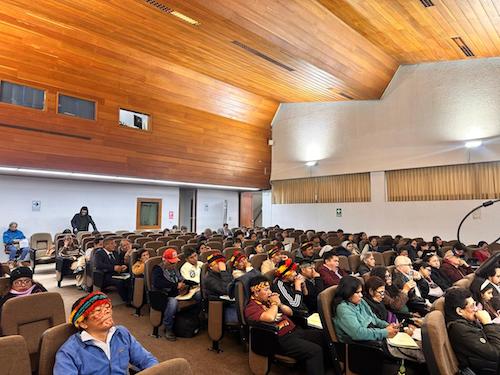
Parliamentarians and Indigenous leaders unite for an Amazon free from oil exploitation 

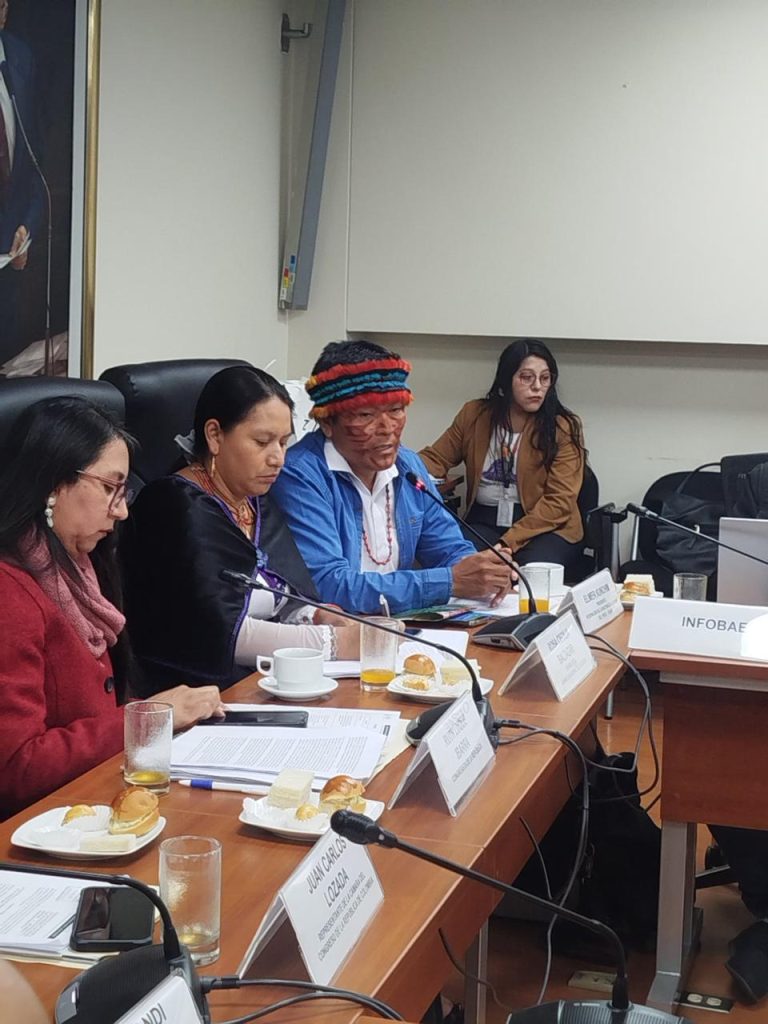
Lima, 5th august 2025 At the working breakfast “Amazon Without Oil”, held this morning at the Congress of the Republic in Lima, legislators from Peru, Ecuador, and Colombia — members of the Parliamentarians for a Fossil Fuel-Free Future network — together with Indigenous leaders, presented legislative agendas and shared demands aimed at halting the expansion of oil activity in the Amazon. Central points included the urgency of environmental remediation, the protection of Indigenous peoples’ rights, and the need to initiate a just energy transition in the region.

The meeting took place in a context marked by figures that reveal the deterioration of the Peruvian Amazon caused by the oil industry, according to official data from the Peruvian State: between 1997 and 2023, there were 1,460 oil spills in the country, 831 of which occurred in the Amazon. So far in 2025, Block 192 (formerly Block 1AB) alone has reported 15 new spills, and its abandonment plan has remained unimplemented since 2015. Indigenous communities are the ones bearing the social and environmental costs, with no sufficient funds allocated for response or remediation. 


 Rising oil spills and failure to carry out environmental remediation in the Amazon 


Congresswoman Ruth Luque stated that the initiatives seek to prohibit new oil activities and to remediate the accumulated damage in historic blocks such as 192 and 8. Luque emphasized that the budget allocated by the Executive Branch for remediation is insufficient to address the magnitude of the problem and called for the fulfillment of commitments made with communities through working groups and prior consultation processes. She warned about the advancing depletion of natural resources and criticized the extractivist vision that conditions the development of Amazonian peoples. 


For his part, Colombian parliamentarian Juan Carlos Losada described the complexity his country has faced in debating the prohibition of hydrocarbons in the Amazon. Losada stressed the need for a regional stance, recalling President Gustavo Petro’s call at the Amazon Cooperation Treaty Organization (ACTO) to move in a unified manner toward ending new oil exploitation in the Amazon. The legislator also criticized the ambiguity of regional leaders such as Brazilian President Luiz Inácio Lula da Silva, and called for upcoming regional summits to produce a common Amazon defense position ahead of COP30 and other international forums. 


Meanwhile, Ecuadorian parliamentarian Rosa Cecilia Baltazar reported on the introduction of a bill —currently under review by the Legislative Administration Council— that seeks to ban oil exploitation in Ecuadorian territory. She emphasized that, despite pressure and inquiries from business sectors and government officials concerned about funding for the transition, the initiative has the support of Amazonian nationalities and Indigenous peoples from Ecuador’s highlands and rainforest. Baltazar called for ensuring pre-legislative consultation and the active participation of Indigenous peoples in the legislative process. 


In a joint statement, the participating parliamentarians declared: “Protecting the Amazon is a matter of climate justice and historical responsibility. As parliamentarians from Amazonian countries, we are committed to leading the energy transition away from fossil fuels, starting with the place where they cause the most harm: the heart of our continent. Our legislative initiatives aim to ensure that the Amazon remains a territory of life, cultures, and biodiversity — not a sacrifice zone for short-term extractive interests.” 
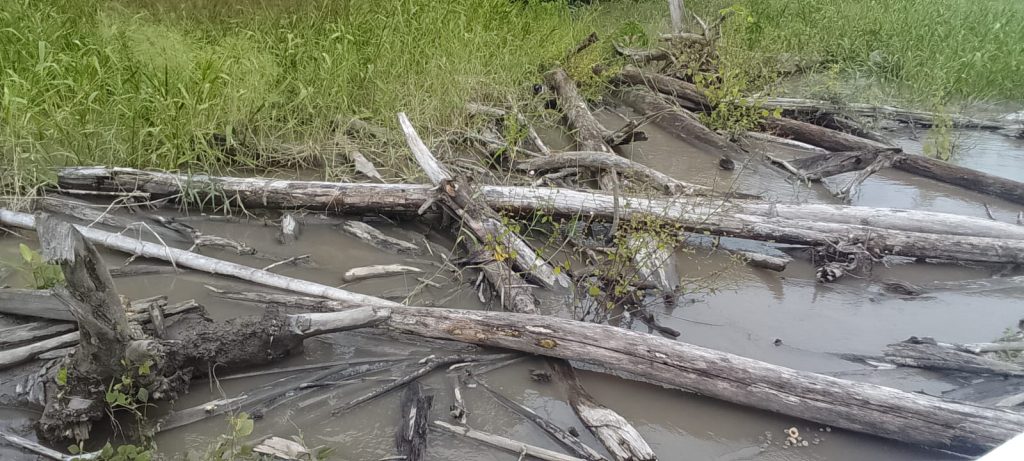

Organizaciones indígenas advierten sobre el impacto sanitario y cultural del petróleo 

The testimonies of Indigenous leaders highlighted the direct consequences of oil activity. Robinson Sandi, president of the Organization of the Kichwa Indigenous Peoples of the Amazonian Border of Peru and Ecuador (OPIKAFPE), denounced that the supposed benefits of hydrocarbon exploitation “do not reflect reality” in the communities, where the impacts have been lethal for health, the environment, and culture. Sandi recalled the existence of toxicological studies showing heavy metal contamination among the population, the lack of state attention, and the criminalization of leaders for demanding their rights. He further stressed that most of the oil spills in recent years are due to structural corrosion problems in the NorPeruvian Pipeline and lack of maintenance, rather than sabotage, as some entities claim. 

Elmer Kunchim, president of the Federation of the Achuar Nationality of Peru (FENAP), reaffirmed the refusal of the Achuar, Chapra, and Wampis peoples to the reactivation of wells in Block 64 and other areas. He emphasized that historical exploitation has left a legacy of contamination and damage to water sources, food, and territory. As a response, Kunchim shared the creation of cooperatives and self-managed productive projects aimed at economic development without environmental impacts. He presented the Shakaim Cooperative of the Achuar Nation as an example of an alternative to the extractive economy. 

For his part, Eduardo Pichilingue Ramos, Coordinator of the Sacred Headwaters Alliance and representing the Hydrocarbons Impact Working Group of the National Human Rights Coordinator of Peru (CNDDHH), of which he is a member, stressed that Amazonian territories continue to be treated as “sacrifice zones” for external interests. He emphasized the need for extraction megaprojects to give way to alternatives aligned with the reality and rights of Indigenous peoples. Finally, Felipe Tapia, advisor to the Interethnic Association for the Development of the Peruvian Rainforest (AIDESEP), underscored the lack of empathy and concrete action by the State in the face of emergency situations such as oil spills. Tapia highlighted the repeated non-compliance with agreements reached through prior consultation processes and the need to prioritize Indigenous self-determination over extractive interests. 


This important event was organized by the Parliamentarians for a Fossil Fuel-Free Future, AIDESEP, the office of Congresswoman Ruth Luque, and the Hydrocarbons Impact Working Group of the National Human Rights Coordinator of Peru (CNDDHH), with the support of 19 civil society organizations. 

Share

Kim Chaix

Supervisa las actividades clave de recaudación de fondos y comunicaciones de RFUS, liderando alianzas estratégicas y nuevas iniciativas. Anteriormente, fue Director de Virunga Fund, dedicada a la protección del parque nacional más antiguo de África, y fundó The Charcoal Project, centrada en proporcionar combustibles y tecnologías sostenibles en África subsahariana. Su carrera comenzó como productor de noticias y realizador de documentales de vida silvestre.

Belén Páez

Es especialista en Cambio Climático, la Amazonía y los derechos de los pueblos indígenas. Es Presidenta de la Fundación Pachamama y Coordinadora del Programa de Financiamiento Climático y Biodiversidad. Con 25 años de experiencia, ha liderado programas en economías forestales, ecoturismo, energías renovables, conservación de ecosistemas, derechos colectivos, justicia climática y salud materna e infantil. Es miembro de la junta de Protection International PI, el Fondo Ambiental Nacional de Ecuador FIAS, y del Science Panel for the Amazon SPA. Fue incluida en 2021 y 2024 en la lista de Los 100 Latinos Más Comprometidos con la Acción Climática.

Luis Canelos

Es un joven soñador que camina junto a los rukus y ayllus desde la base comunitaria. Su visión es fortalecer a las nacionalidades indígenas tanto dentro como fuera de sus territorios. Uno de sus sueños era convertirse en atleta; también tenía interés en las matemáticas y la antropología. Dejó su territorio para completar sus estudios superiores en la Universidad San Francisco de Quito y luego regresó a su comunidad para continuar trabajando por los pueblos y nacionalidades indígenas. Su recorrido organizativo comenzó en el cantón Arajuno, donde fue elegido presidente de la organización PAKKIRU. La misión de Luis es salvaguardar la selva para una mejor vida, y su visión es trabajar por el bienestar de las comunidades, manteniéndose fiel a sus ideales

Jamner Manihuari

Líder indígena de Perú, activo en la defensa de los derechos indígenas y ambientales. Es vice coordinador de la Coordinadora de Organizaciones Indígenas de la Cuenca Amazónica (COICA), que representa a más de 500 grupos indígenas en nueve países. Anteriormente, fue presidente de la Coordinadora Regional de los Pueblos Indígenas de San Lorenzo (CORPI-SL), donde promovió la protección de los territorios amazónicos frente a la minería ilegal y la explotación de recursos. Su liderazgo se enfoca en fortalecer la unidad institucional y enfrentar las amenazas ambientales en la Amazonía.

Olivia Bisa

Descendiente de las comunidades Chapra, Wampís y Achuar, es presidenta del Gobierno Territorial Autónomo de la Nación Chapra (GTANCH) en Perú. Con 34 años, es socióloga por la Universidad Andina Simón Bolívar y experta en Derechos Humanos, Poblaciones Indígenas y Cooperación Internacional por la Universidad Carlos III de España. Como una de las primeras mujeres líderes indígenas en la Amazonía peruana, también estudia Derecho y Ciencias Políticas en la Universidad Tecnológica del Perú. Es miembro de la junta directiva de la Alianza Cuencas Sagradas Amazónicas, donde trabaja en la defensa contra los impactos ambientales y de salud de la extracción petrolera, oponiéndose al proyecto en el lote petrolero 64.

Elaine Shajian Shawit

Líder de la nacionalidad Awajún en la Amazonía peruana y actualmente preside la Coordinadora Regional de los Pueblos Indígenas de San Lorenzo (CORPI SL). Es la primera mujer en ser presidente de una base regional de AIDESEP. Anteriormente, fue presidenta de la Organización Regional de Pueblos Indígenas de Alto Amazonas (ORPASI). Ha trabajado en la defensa de los derechos de las mujeres y de los pueblos indígenas en las provincias de Datem del Marañón y Alto Amazonas, en Loreto, Perú, enfrentando diversos problemas territoriales, incluyendo los impactos de la actividad petrolera en la Amazonía.

José Esach

Presidente de la CONFENIAE y miembro de la nacionalidad Shuar. Defensor de la naturaleza y los derechos indígenas, ha sido un activista clave contra la minería en la Amazonía. En 2016 fue perseguido y en 2021 criminalizado por oponerse a las exploraciones mineras en su comunidad. Fue parte del Comité de Defensa Territorial del Bosque Protegido Kutukú Shaimi, del cual el 58% ha sido concesionado para minería. Como líder, lucha por la preservación de la selva amazónica, la defensa de los pueblos indígenas y soluciones sostenibles para frenar la deforestación.

Lolita Piaguaje

Es una destacada líder indígena de la Nación Siekopai en la Amazonía ecuatoriana. Anteriormente se desempeñó como Vicepresidenta de la CONFENIAE y actualmente trabaja como asesora técnica para la Alianza Cuencas Sagradas Amazónicas (ACSA). Está dedicada a la defensa de la selva amazónica y a la preservación del patrimonio cultural de su pueblo. A través de su labor, Lolita se enfoca en proteger las tierras ancestrales de amenazas como la deforestación y las industrias extractivas, y aboga por la integración del conocimiento indígena en la conservación ambiental y la incidencia global
[player id=1140]

Jorge Pérez

Líder indígena Murui. Actualmente, es el Presidente de la Asociación Interétnica de Desarrollo de la Selva Peruana (AIDESEP), la organización indígena nacional de la Amazonía peruana. Previamente a ello, completó su mandato como presidente de la Organización Regional de los Pueblos Indígenas del Oriente (ORPIO), que representa a 50,000 personas de 450 comunidades y 12 pueblos indígenas de la Amazonía peruana.

[player id=1133]

Wrayz Perez

Líder de la Nación Wampis con una larga trayectoria en la defensa de los derechos colectivos de los pueblos indígenas de Perú. Actualmente, es el coordinador territorial de la Alianza Cuencas Sagradas Amazónicas en Perú. Posee el título de «Experto en Pueblos Indígenas, Derechos Humanos, Gobernanza y Cooperación Internacional» otorgado por la Universidad Carlos III de Madrid. Es el ex Presidente del Gobierno Territorial Autónomo de la Nación Wampis y también es el Presidente de la Red Latinoamericana de Territorios y Áreas Conservadas por Pueblos Indígenas y Comunidades (TICCA)

[player id=1137]

Uyunkar Domingo
 Peas Nampichkai

Líder Achuar de Ecuador, tiene 30 años de trayectoria en el movimiento indígena. Es Presidente de la Alianza Cuencas Sagradas Amazónicas y miembro de la CONFENIAE. Cofundó la Escuela Viva de la Amazonía (EVA) en 2023 y la Nación Achuar del Ecuador (NAE), donde fue director de comunicación. También es co-fundador de la comunidad Achuar de Sharamentsa y su proyecto de turismo comunitario, además de ser cofundador de la organización binacional Achuar COBNAEP, que une a Ecuador y Perú.