Datem del Marañón: Indigenous Peoples between oil pollution and the public health crisis

By Segundo Chuquipiondo

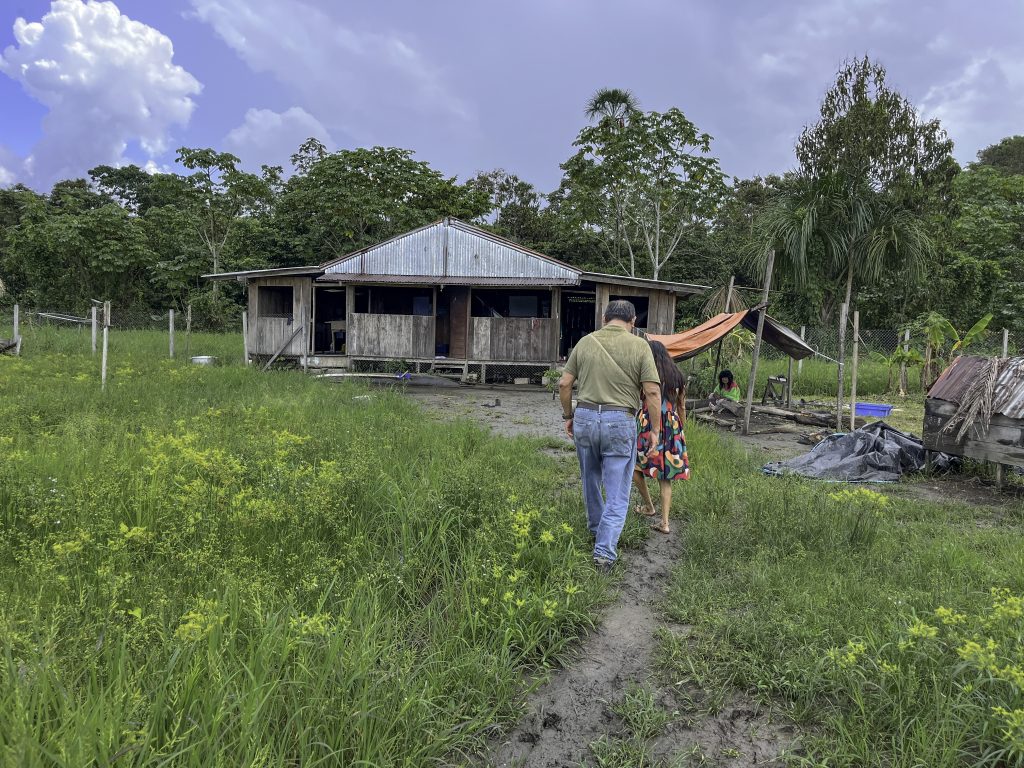
The journey to the Achuar community of Siwin is not measured only in hours. Traveling along the Marañón River and then venturing into the Pastaza River means moving through one of the vital arteries of the northern Peruvian Amazon, where rivers do more than connect territories: they nourish, heal, and sustain the lives of the Achuar, Kichwa, and Kandozi peoples who share this ancestral watershed.

“Los niños tienen diarrea, ronchas en la piel, vómitos y la barriga hinchada. Los peritos toxicológicos nunca llegaron y no hubo remediación ni compensación por parte de la empresa”, denuncia Jacob Espinar, presidente de la Federación Indígena Achuar del Alto Pastaza (FIAAP).

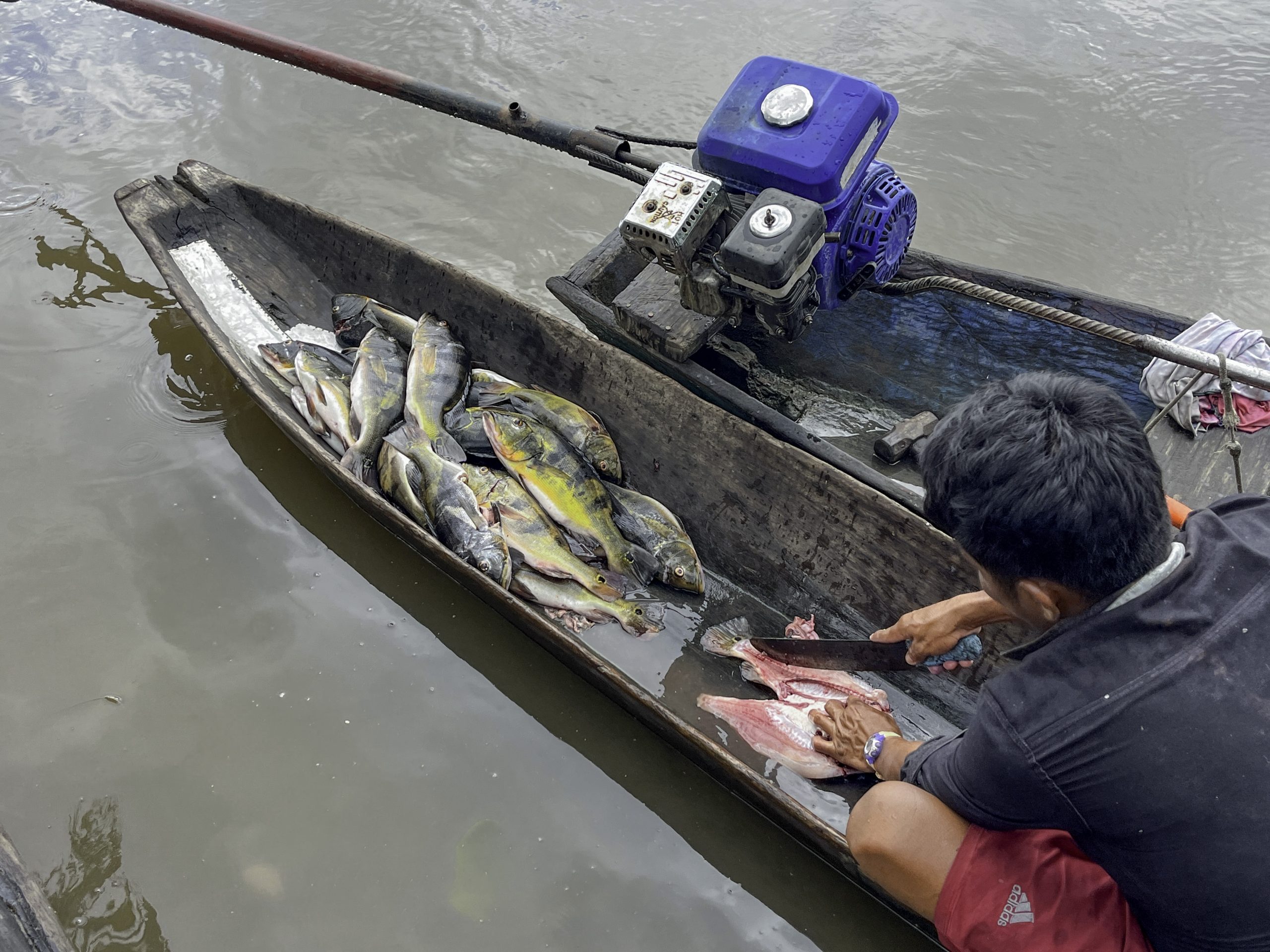
The journey is demanding. Fallen logs, whirlpools, and sandbanks that appear without warning force the boat to stop again and again. But the greatest obstacle is not natural. On the Pastaza River, the landscape changes abruptly: the green gives way to a dark stain that does not dissolve. Pollution caused by an oil spill from the Northern Peruvian Pipeline, resulting from an operational failure by Petroperú’s concessionaire in October 2024, remains present, and its impacts continue to strike riverside communities.

This is not an isolated incident. Despite the Achuar people’s repeated rejection of oil activity, the presence of extractive companies continues to cast its shadow over the territory. Espinar recalls that the first spill occurred in 2018. The second, six years later. Between them, unfulfilled promises by the Peruvian state.
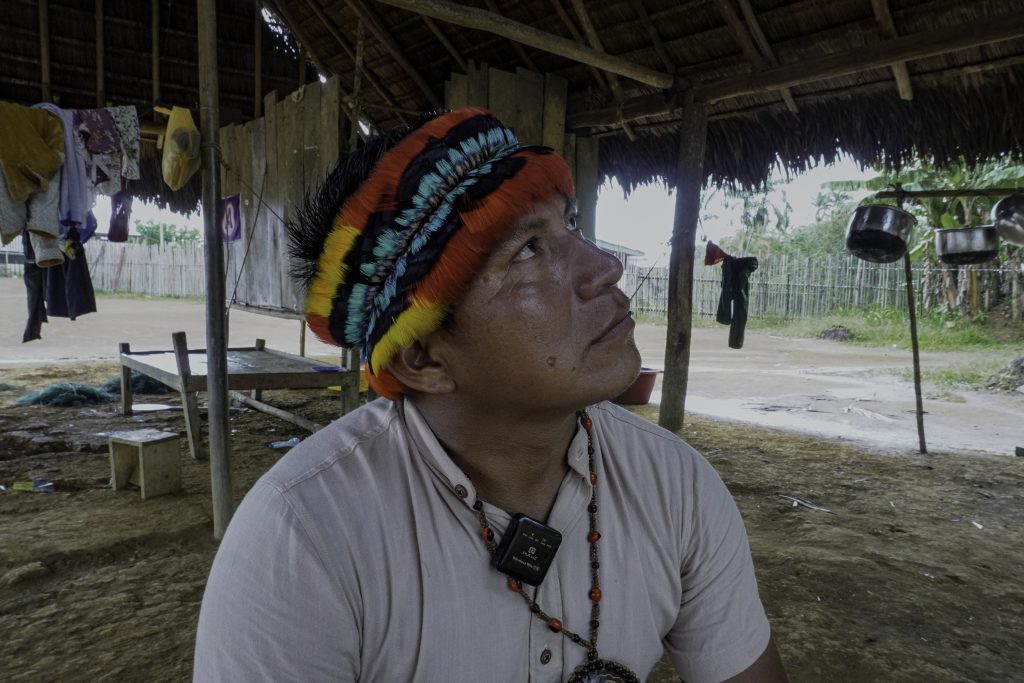
“Children are suffering from diarrhea, skin rashes, vomiting, and swollen bellies. The toxicology experts never arrived, and there was no remediation or compensation from the company,” says Jacob Espinar, president of the Achuar Indigenous Federation of the Upper Pastaza (FIAAP).

Siwin: contamination that runs through life
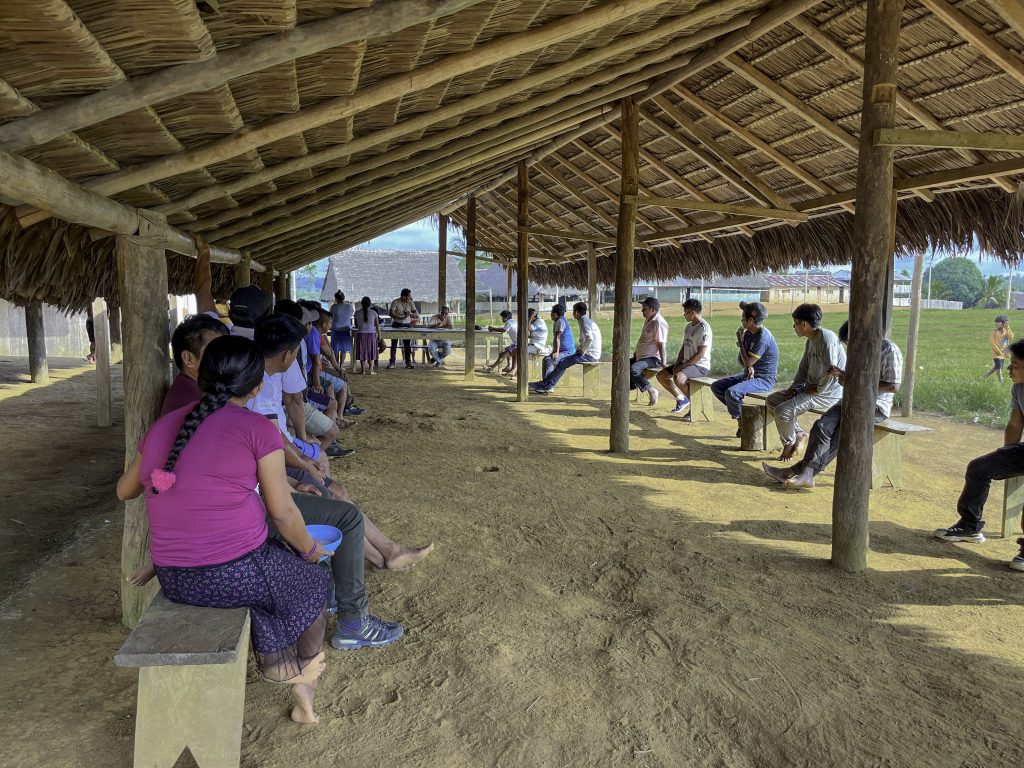
The community of Siwin, officially recognized 36 years ago and home to around 120 families, is facing a multidimensional crisis. The river that flows through the lagoon that gives the community its name is contaminated, and the water people drink, the fish they eat, and the health of those who live there are directly affected. At the same time, the lack of basic infrastructure, health care, and an adequate education system worsens the situation. 

The consequences are severe: recurrent gastrointestinal illnesses, skin conditions, respiratory problems, and reports of malformations in children. Since March of this year, community authorities have also warned of an epidemic outbreak in the area. To this day, the State’s response remains limited.

Lidia Dahua Suñiga, an Achuar Indigenous mother, speaks through tears: “I have had to bury other children. I have relatives who died on the way to San Lorenzo because we don’t have river ambulances or medicines here. They let us die slowly.”

In territories where the river is the only road, the absence of water ambulances can mean the difference between life and death. Yet this urgency does not appear to be part of the public agenda.

“The State is absent,” community leaders repeat. Pedro Dawa, an environmental monitor, sums it up bluntly: “Beneath the Siwin lagoon, oil is still flowing. The response is always the same: nothing.”

One watershed, many communities, the same abandonment
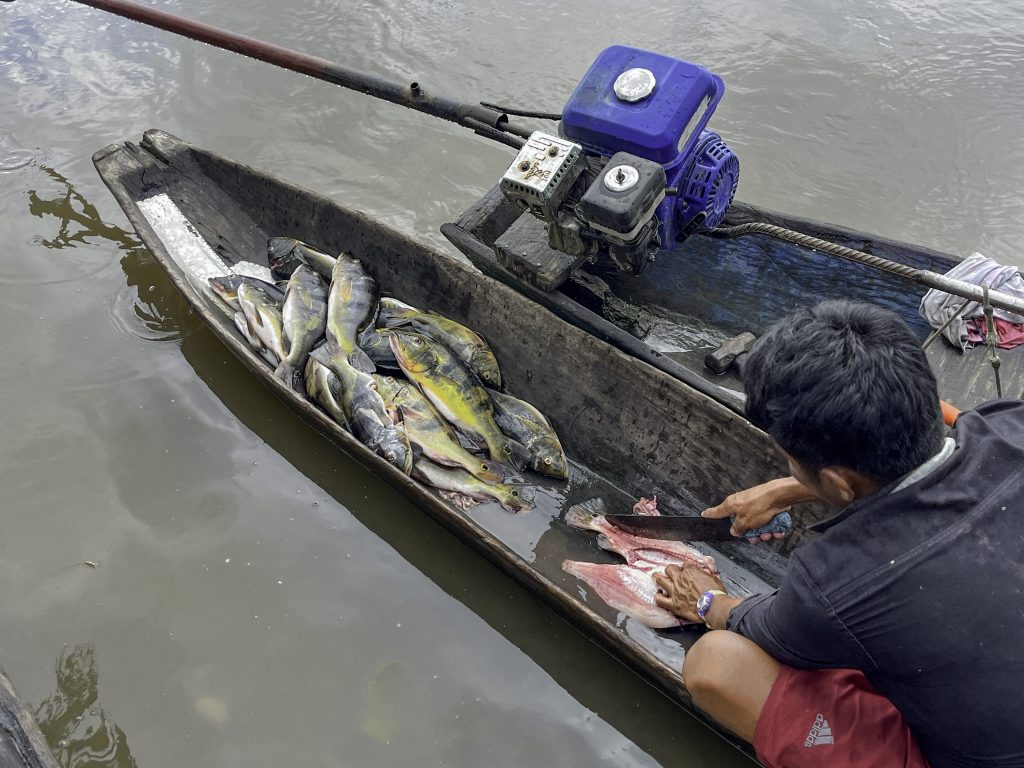
The route continues to Huagramona and then to Buenavista. The pattern repeats itself. Closed schools, health posts without staff or medicines, and communities forced to live with the impacts of more than half a century of oil activity in the Amazon—and with complete state neglect.

The illnesses are the same: constant diarrhea, inflammation, skin and respiratory problems. In response, the State offers, when it offers anything at all, paracetamol. Nothing more.

Night falls in Solplin, a Kichwa community. There, David Chino, President of the Inka Nation, explains that oil contamination is the main problem facing his people and that advancing territorial delimitation is essential to protecting their land.

“We have a health facility with no medicines. Many of our brothers and sisters have died because there is no way to treat them or transfer them in time. For everything, they want to give us paracetamol,” he says.

Resistance that cares for territories of lifea
The journey continues toward Huasaga, Loboyacu, and Suncache, following the river until reaching Musakarusha. There, resistance takes on another form. Valvina Sundi, a Kandozi woman leader, dedicates her days to raising taricayas. More than two thousand charitos—baby turtles—will soon be released into the lake as part of a community effort to recover what contamination threatens to erase. In a wounded territory, Valvina plants hope. Her work does not appear in official reports, yet it helps sustain the balance of Amazonian life.

A cry that can no longer be ignored

The warnings about contamination and the health conditions of families in Datem del Marañón are not new, yet they continue to go unanswered. In polluted rivers, in sick bodies, and in overlapping territories, a truth is revealed—one that seems not to trouble those in power, upheld by the silence and inaction of the State. The oil industry continues to advance over ancestral territories, causing harm and deepening inequality and environmental injustice.

Since 2017, the Sacred Headwaters Alliance, driven by Indigenous organizations and civil society groups from Peru and Ecuador, has sought to amplify these voices. “We need what is happening here to be heard, to generate real alerts and alliances that benefit the territory,” explains Wrays Pérez, vice president of the initiative.

The Achuar, Kichwa, and Kandozi nations are not asking for charity. They demand rights, health care, remediation, and respect for their historic decision to defend life. Ignoring them is not merely an omission—it is a form of violence that continues to flow, like oil, beneath the waters. It is essential to declare the Amazon a Zone of Life in order to protect the biome and its peoples.

Share

Kim Chaix

Supervisa las actividades clave de recaudación de fondos y comunicaciones de RFUS, liderando alianzas estratégicas y nuevas iniciativas. Anteriormente, fue Director de Virunga Fund, dedicada a la protección del parque nacional más antiguo de África, y fundó The Charcoal Project, centrada en proporcionar combustibles y tecnologías sostenibles en África subsahariana. Su carrera comenzó como productor de noticias y realizador de documentales de vida silvestre.

Belén Páez

Es especialista en Cambio Climático, la Amazonía y los derechos de los pueblos indígenas. Es Presidenta de la Fundación Pachamama y Coordinadora del Programa de Financiamiento Climático y Biodiversidad. Con 25 años de experiencia, ha liderado programas en economías forestales, ecoturismo, energías renovables, conservación de ecosistemas, derechos colectivos, justicia climática y salud materna e infantil. Es miembro de la junta de Protection International PI, el Fondo Ambiental Nacional de Ecuador FIAS, y del Science Panel for the Amazon SPA. Fue incluida en 2021 y 2024 en la lista de Los 100 Latinos Más Comprometidos con la Acción Climática.

Luis Canelos

Es un joven soñador que camina junto a los rukus y ayllus desde la base comunitaria. Su visión es fortalecer a las nacionalidades indígenas tanto dentro como fuera de sus territorios. Uno de sus sueños era convertirse en atleta; también tenía interés en las matemáticas y la antropología. Dejó su territorio para completar sus estudios superiores en la Universidad San Francisco de Quito y luego regresó a su comunidad para continuar trabajando por los pueblos y nacionalidades indígenas. Su recorrido organizativo comenzó en el cantón Arajuno, donde fue elegido presidente de la organización PAKKIRU. La misión de Luis es salvaguardar la selva para una mejor vida, y su visión es trabajar por el bienestar de las comunidades, manteniéndose fiel a sus ideales

Jamner Manihuari

Líder indígena de Perú, activo en la defensa de los derechos indígenas y ambientales. Es vice coordinador de la Coordinadora de Organizaciones Indígenas de la Cuenca Amazónica (COICA), que representa a más de 500 grupos indígenas en nueve países. Anteriormente, fue presidente de la Coordinadora Regional de los Pueblos Indígenas de San Lorenzo (CORPI-SL), donde promovió la protección de los territorios amazónicos frente a la minería ilegal y la explotación de recursos. Su liderazgo se enfoca en fortalecer la unidad institucional y enfrentar las amenazas ambientales en la Amazonía.

Olivia Bisa

Descendiente de las comunidades Chapra, Wampís y Achuar, es presidenta del Gobierno Territorial Autónomo de la Nación Chapra (GTANCH) en Perú. Con 34 años, es socióloga por la Universidad Andina Simón Bolívar y experta en Derechos Humanos, Poblaciones Indígenas y Cooperación Internacional por la Universidad Carlos III de España. Como una de las primeras mujeres líderes indígenas en la Amazonía peruana, también estudia Derecho y Ciencias Políticas en la Universidad Tecnológica del Perú. Es miembro de la junta directiva de la Alianza Cuencas Sagradas Amazónicas, donde trabaja en la defensa contra los impactos ambientales y de salud de la extracción petrolera, oponiéndose al proyecto en el lote petrolero 64.

Elaine Shajian Shawit

Líder de la nacionalidad Awajún en la Amazonía peruana y actualmente preside la Coordinadora Regional de los Pueblos Indígenas de San Lorenzo (CORPI SL). Es la primera mujer en ser presidente de una base regional de AIDESEP. Anteriormente, fue presidenta de la Organización Regional de Pueblos Indígenas de Alto Amazonas (ORPASI). Ha trabajado en la defensa de los derechos de las mujeres y de los pueblos indígenas en las provincias de Datem del Marañón y Alto Amazonas, en Loreto, Perú, enfrentando diversos problemas territoriales, incluyendo los impactos de la actividad petrolera en la Amazonía.

José Esach

Presidente de la CONFENIAE y miembro de la nacionalidad Shuar. Defensor de la naturaleza y los derechos indígenas, ha sido un activista clave contra la minería en la Amazonía. En 2016 fue perseguido y en 2021 criminalizado por oponerse a las exploraciones mineras en su comunidad. Fue parte del Comité de Defensa Territorial del Bosque Protegido Kutukú Shaimi, del cual el 58% ha sido concesionado para minería. Como líder, lucha por la preservación de la selva amazónica, la defensa de los pueblos indígenas y soluciones sostenibles para frenar la deforestación.

Lolita Piaguaje

Es una destacada líder indígena de la Nación Siekopai en la Amazonía ecuatoriana. Anteriormente se desempeñó como Vicepresidenta de la CONFENIAE y actualmente trabaja como asesora técnica para la Alianza Cuencas Sagradas Amazónicas (ACSA). Está dedicada a la defensa de la selva amazónica y a la preservación del patrimonio cultural de su pueblo. A través de su labor, Lolita se enfoca en proteger las tierras ancestrales de amenazas como la deforestación y las industrias extractivas, y aboga por la integración del conocimiento indígena en la conservación ambiental y la incidencia global
[player id=1140]

Jorge Pérez

Líder indígena Murui. Actualmente, es el Presidente de la Asociación Interétnica de Desarrollo de la Selva Peruana (AIDESEP), la organización indígena nacional de la Amazonía peruana. Previamente a ello, completó su mandato como presidente de la Organización Regional de los Pueblos Indígenas del Oriente (ORPIO), que representa a 50,000 personas de 450 comunidades y 12 pueblos indígenas de la Amazonía peruana.

[player id=1133]

Wrayz Perez

Líder de la Nación Wampis con una larga trayectoria en la defensa de los derechos colectivos de los pueblos indígenas de Perú. Actualmente, es el coordinador territorial de la Alianza Cuencas Sagradas Amazónicas en Perú. Posee el título de «Experto en Pueblos Indígenas, Derechos Humanos, Gobernanza y Cooperación Internacional» otorgado por la Universidad Carlos III de Madrid. Es el ex Presidente del Gobierno Territorial Autónomo de la Nación Wampis y también es el Presidente de la Red Latinoamericana de Territorios y Áreas Conservadas por Pueblos Indígenas y Comunidades (TICCA)

[player id=1137]

Uyunkar Domingo
 Peas Nampichkai

Líder Achuar de Ecuador, tiene 30 años de trayectoria en el movimiento indígena. Es Presidente de la Alianza Cuencas Sagradas Amazónicas y miembro de la CONFENIAE. Cofundó la Escuela Viva de la Amazonía (EVA) en 2023 y la Nación Achuar del Ecuador (NAE), donde fue director de comunicación. También es co-fundador de la comunidad Achuar de Sharamentsa y su proyecto de turismo comunitario, además de ser cofundador de la organización binacional Achuar COBNAEP, que une a Ecuador y Perú.