COP28: half-hearted signals to end the fossil fuel era

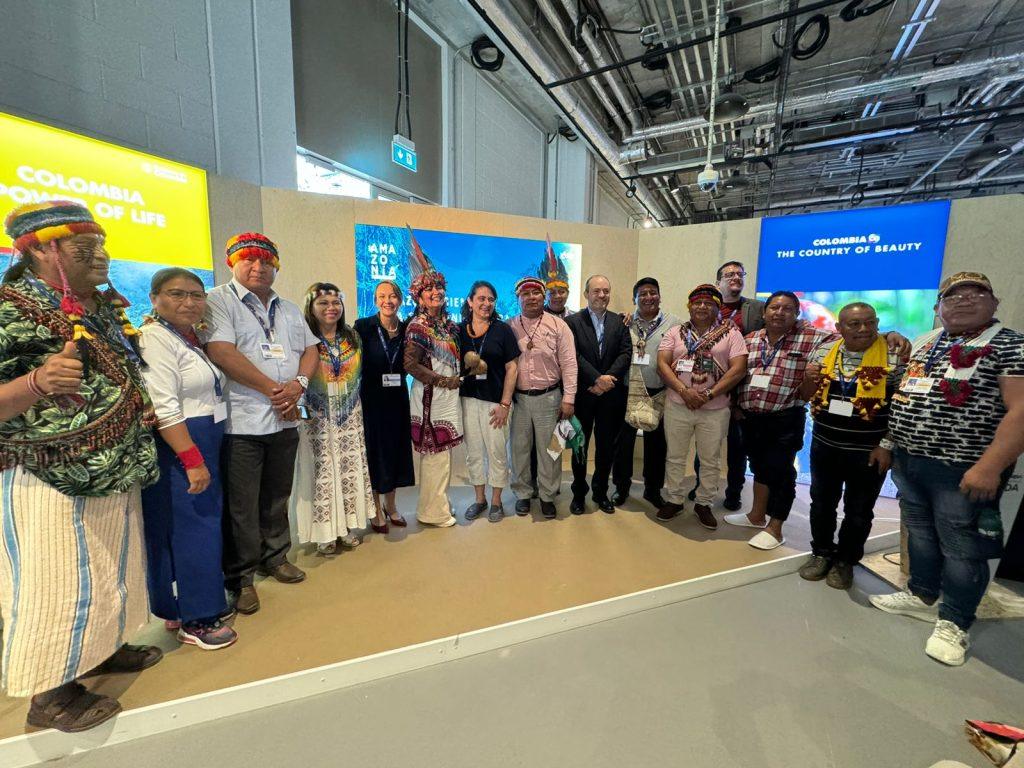
The United Nations Climate Change Conference COP28, hosted in the oil-rich nation of the United Arab Emirates, presented a critical opportunity for making bold commitments to the urgently needed transition away from fossil fuels and to safeguarding our planet’s climate stability. This historic event witnessed the convergence of over 80,000 delegates from nearly 200 countries in Dubai, marking the largest COP in history. An estimated 400 indigenous delegates also attended. 

Together, we engaged in vital discussions aimed at addressing the climate crisis and securing a resilient future amidst the relentless onslaught of extreme weather events and climate related disasters affecting every corner of our globe.   A record-breaking 2,400 fossil fuel lobbyists also descended upon the UN conference, revealing the industry’s perverse efforts to influence negotiations and hinder essential decisions crucial to our planet’s stability.

Throughout two intense weeks of negotiations, high-level meetings with world leaders, and side events and nonbinding declarations, indigenous voices resounded with the call for a swift, equitable, fully-funded transition away from fossil fuels. Our delegation called for a planned phase out of fossil fuels the cornerstone of meeting  the climate crisis. 

However, the COP 28 outcome document fell short of expectations. After 28 years of global UNFCCC gatherings and irrefutable evidence of the role of fossil fuels in the climate crisis, the Global Stocktake (GST) agreement did not adequately signal the end of the fossil era; instead, it danced around with loopholes and ambiguous language, allowing for example for flawed carbon capture technology and natural gas to be viewed as solution pathways. While we were pleased to see the text of the GST calling for tripling renewable energy capacity and doubling energy efficiency by 2030, the agreement lacks a concrete roadmap for achieving these targets or securing the necessary funding.

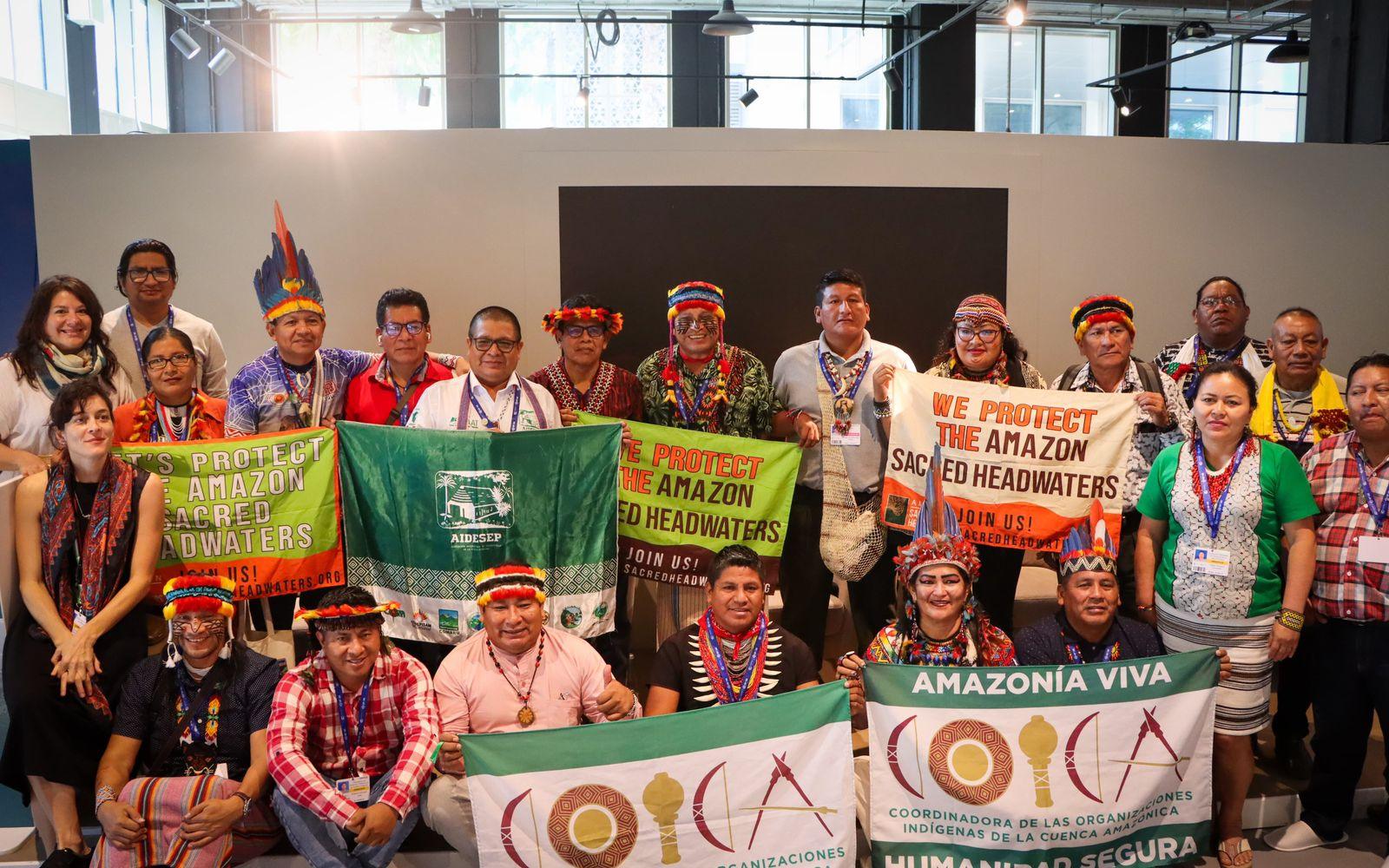
The GST text did underscore the critical importance of conserving, protecting, and restoring nature and ecosystems in pursuit of the Paris Agreement’s temperature goals. This includes ambitious efforts to halt and reverse deforestation and forest degradation by 2030. It also acknowledges the need for increased support and investment in these endeavors (see Articles 33 and 34 of the GST decision text). In this context, the Amazon Sacred Headwaters Alliance, tirelessly advocating for direct funding to local stewards for the preservation of the Amazon basin and protection of our ancestral lands and cultures, is heartened to witness our efforts resonating at the highest levels. Getting direct funding to indigenous and frontline communities who are stewarding a significant share of the planet’s climate-stabilizing tropical rainforests continues to be a key issue. Less than 8% of the $1.7 billion in funding pledged at COP26 has so far reached local and front line communities. We remain vigilant in ensuring these commitments are not just words on paper but are translated into action and adequately funded.

Equity and justice were central themes of civil society advocacy, with a loss and damage fund agreed on the very first day of the conference to support vulnerable nations and communities most affected by climate change. While the establishment of the fund is a long-fought victory, the current amount  pledged is US$700 million and far from the annual needs of developing countries which is estimated to be greater than US$400 billion a year and rapidly rising. We have a long road ahead on this issue.  

During COP28, parties also adopted the crucial Just Transition Work Program (JTWP) within the framework of international cooperation and made some strides toward realizing the Global Goal on Adaptation (GGA), despite criticism from non-industrialized nations.

Amazon Sacred Headwaters Alliance on the ground

At COP28, Amazon Sacred Headwaters delegation participated in numerous meetings and high-level dialogues and passionately called for increased protection of our territories and rights, emphasizing the intricate connection between healthy Amazonian ecosystems and global climate stability. Indigenous peoples of the Amazon Sacred Headwaters Alliance delegates shared their perspectives on climate action and solutions across numerous panels, forums, and sessions spanning the expansive Blue and Green zones that temporarily transformed Dubai’s Expo City.

We engaged in candid and open dialogues with indigenous communities from around the world, and with multilateral organizations, scientists, and policymakers. These evolving partnerships seek to amplify our voices, ensuring that our perspectives guide international climate policies and garner support for our sustainable initiatives on the ground.

COP28 has once again underscored the vital importance of uniting around shared but differentiated responsibilities in protecting our planet and the Amazon. The ancestral and traditional knowledge, along with the wisdom of indigenous peoples, will play a fundamental role in preserving life on Earth as we know it.

We stand resolute in our commitment to protect the Amazon, knowing that in doing so, we safeguard our collective future.

We protect the Amazon.

We protect the future.

Thank you for your unwavering support.

For the Amazon and Future Generations,

Share

Kim Chaix

Supervisa las actividades clave de recaudación de fondos y comunicaciones de RFUS, liderando alianzas estratégicas y nuevas iniciativas. Anteriormente, fue Director de Virunga Fund, dedicada a la protección del parque nacional más antiguo de África, y fundó The Charcoal Project, centrada en proporcionar combustibles y tecnologías sostenibles en África subsahariana. Su carrera comenzó como productor de noticias y realizador de documentales de vida silvestre.

Belén Páez

Es especialista en Cambio Climático, la Amazonía y los derechos de los pueblos indígenas. Es Presidenta de la Fundación Pachamama y Coordinadora del Programa de Financiamiento Climático y Biodiversidad. Con 25 años de experiencia, ha liderado programas en economías forestales, ecoturismo, energías renovables, conservación de ecosistemas, derechos colectivos, justicia climática y salud materna e infantil. Es miembro de la junta de Protection International PI, el Fondo Ambiental Nacional de Ecuador FIAS, y del Science Panel for the Amazon SPA. Fue incluida en 2021 y 2024 en la lista de Los 100 Latinos Más Comprometidos con la Acción Climática.

Luis Canelos

Es un joven soñador que camina junto a los rukus y ayllus desde la base comunitaria. Su visión es fortalecer a las nacionalidades indígenas tanto dentro como fuera de sus territorios. Uno de sus sueños era convertirse en atleta; también tenía interés en las matemáticas y la antropología. Dejó su territorio para completar sus estudios superiores en la Universidad San Francisco de Quito y luego regresó a su comunidad para continuar trabajando por los pueblos y nacionalidades indígenas. Su recorrido organizativo comenzó en el cantón Arajuno, donde fue elegido presidente de la organización PAKKIRU. La misión de Luis es salvaguardar la selva para una mejor vida, y su visión es trabajar por el bienestar de las comunidades, manteniéndose fiel a sus ideales

Jamner Manihuari

Líder indígena de Perú, activo en la defensa de los derechos indígenas y ambientales. Es vice coordinador de la Coordinadora de Organizaciones Indígenas de la Cuenca Amazónica (COICA), que representa a más de 500 grupos indígenas en nueve países. Anteriormente, fue presidente de la Coordinadora Regional de los Pueblos Indígenas de San Lorenzo (CORPI-SL), donde promovió la protección de los territorios amazónicos frente a la minería ilegal y la explotación de recursos. Su liderazgo se enfoca en fortalecer la unidad institucional y enfrentar las amenazas ambientales en la Amazonía.

Olivia Bisa

Descendiente de las comunidades Chapra, Wampís y Achuar, es presidenta del Gobierno Territorial Autónomo de la Nación Chapra (GTANCH) en Perú. Con 34 años, es socióloga por la Universidad Andina Simón Bolívar y experta en Derechos Humanos, Poblaciones Indígenas y Cooperación Internacional por la Universidad Carlos III de España. Como una de las primeras mujeres líderes indígenas en la Amazonía peruana, también estudia Derecho y Ciencias Políticas en la Universidad Tecnológica del Perú. Es miembro de la junta directiva de la Alianza Cuencas Sagradas Amazónicas, donde trabaja en la defensa contra los impactos ambientales y de salud de la extracción petrolera, oponiéndose al proyecto en el lote petrolero 64.

Elaine Shajian Shawit

Líder de la nacionalidad Awajún en la Amazonía peruana y actualmente preside la Coordinadora Regional de los Pueblos Indígenas de San Lorenzo (CORPI SL). Es la primera mujer en ser presidente de una base regional de AIDESEP. Anteriormente, fue presidenta de la Organización Regional de Pueblos Indígenas de Alto Amazonas (ORPASI). Ha trabajado en la defensa de los derechos de las mujeres y de los pueblos indígenas en las provincias de Datem del Marañón y Alto Amazonas, en Loreto, Perú, enfrentando diversos problemas territoriales, incluyendo los impactos de la actividad petrolera en la Amazonía.

José Esach

Presidente de la CONFENIAE y miembro de la nacionalidad Shuar. Defensor de la naturaleza y los derechos indígenas, ha sido un activista clave contra la minería en la Amazonía. En 2016 fue perseguido y en 2021 criminalizado por oponerse a las exploraciones mineras en su comunidad. Fue parte del Comité de Defensa Territorial del Bosque Protegido Kutukú Shaimi, del cual el 58% ha sido concesionado para minería. Como líder, lucha por la preservación de la selva amazónica, la defensa de los pueblos indígenas y soluciones sostenibles para frenar la deforestación.

Lolita Piaguaje

Es una destacada líder indígena de la Nación Siekopai en la Amazonía ecuatoriana. Anteriormente se desempeñó como Vicepresidenta de la CONFENIAE y actualmente trabaja como asesora técnica para la Alianza Cuencas Sagradas Amazónicas (ACSA). Está dedicada a la defensa de la selva amazónica y a la preservación del patrimonio cultural de su pueblo. A través de su labor, Lolita se enfoca en proteger las tierras ancestrales de amenazas como la deforestación y las industrias extractivas, y aboga por la integración del conocimiento indígena en la conservación ambiental y la incidencia global
[player id=1140]

Jorge Pérez

Líder indígena Murui. Actualmente, es el Presidente de la Asociación Interétnica de Desarrollo de la Selva Peruana (AIDESEP), la organización indígena nacional de la Amazonía peruana. Previamente a ello, completó su mandato como presidente de la Organización Regional de los Pueblos Indígenas del Oriente (ORPIO), que representa a 50,000 personas de 450 comunidades y 12 pueblos indígenas de la Amazonía peruana.

[player id=1133]

Wrayz Perez

Líder de la Nación Wampis con una larga trayectoria en la defensa de los derechos colectivos de los pueblos indígenas de Perú. Actualmente, es el coordinador territorial de la Alianza Cuencas Sagradas Amazónicas en Perú. Posee el título de «Experto en Pueblos Indígenas, Derechos Humanos, Gobernanza y Cooperación Internacional» otorgado por la Universidad Carlos III de Madrid. Es el ex Presidente del Gobierno Territorial Autónomo de la Nación Wampis y también es el Presidente de la Red Latinoamericana de Territorios y Áreas Conservadas por Pueblos Indígenas y Comunidades (TICCA)

[player id=1137]

Uyunkar Domingo
 Peas Nampichkai

Líder Achuar de Ecuador, tiene 30 años de trayectoria en el movimiento indígena. Es Presidente de la Alianza Cuencas Sagradas Amazónicas y miembro de la CONFENIAE. Cofundó la Escuela Viva de la Amazonía (EVA) en 2023 y la Nación Achuar del Ecuador (NAE), donde fue director de comunicación. También es co-fundador de la comunidad Achuar de Sharamentsa y su proyecto de turismo comunitario, además de ser cofundador de la organización binacional Achuar COBNAEP, que une a Ecuador y Perú.